Beginner surf spots in Italy

The most forgiving breaks on the Italian coast.

Sandy bottoms, gentle gradients and easy paddle-outs. These are the Italian breaks where falling is boring and wave count is high — the right places for a first season.

7 spots

Forte dei MarmiBeginnerTuscany

Forte dei Marmi

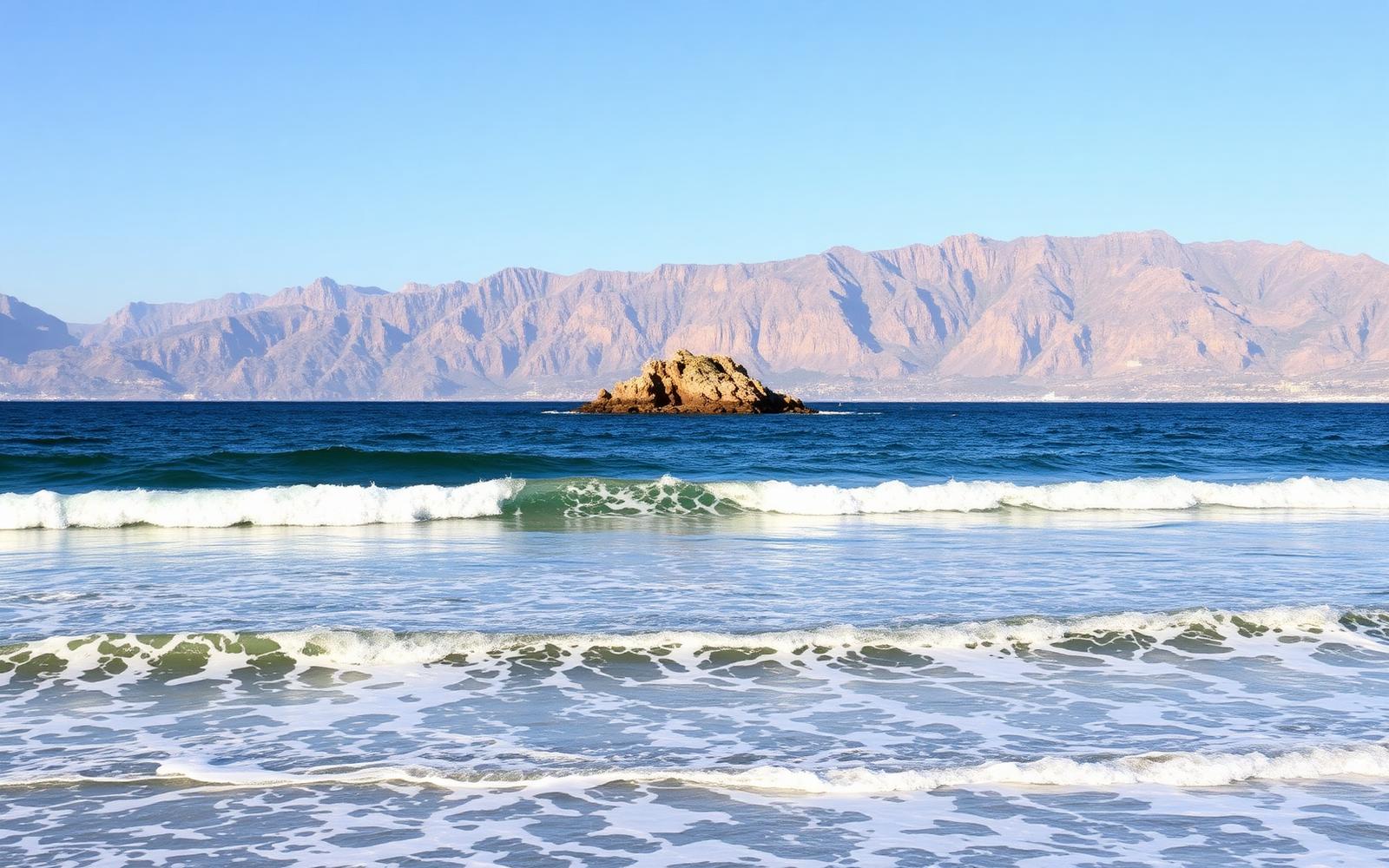
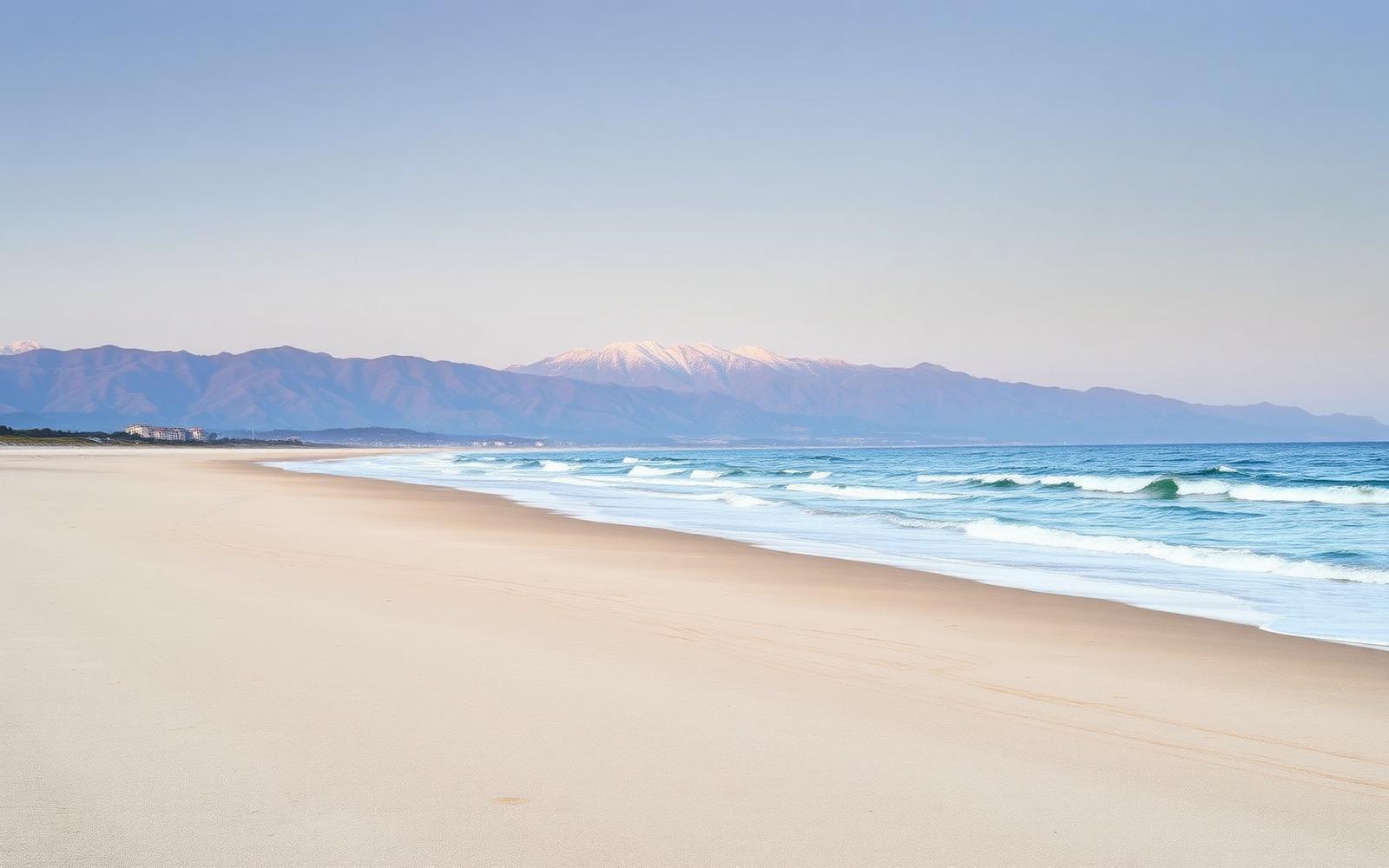
Forte dei Marmi offers some of the softest, most approachable waves on the Tuscan coast. The sandbanks either side of the historic pier shape libeccio swell into slow, rolling peaks that break a long way from shore on bigger days and reform gently inside — ideal for first waves, longboards and family sessions. Behind the beach sit the Apuan Alps, often snow-capped in winter, which makes this one of the most photogenic line-ups in Italy.

Best months
Oct – Apr
Consistency
3/5
Crowd
Moderate crowd
La Playa, CataniaBeginnerSicily

La Playa, Catania

La Playa stretches south from Catania's harbour for kilometres of open sand, and picks up east and north-east swells generated in the Ionian Sea. Waves are usually small and short-period, but the beach is wide, safe and completely uncrowded outside summer, with Etna rising behind the city. A useful backup when the Tyrrhenian side is flat.

Best months
Oct – Mar
Consistency
2/5
Crowd
Rarely crowded
Marina di GrossetoBeginnerTuscany

Marina di Grosseto

The Maremma coast south of Grosseto is quiet, pine-backed and refreshingly empty compared to Versilia. Waves are smaller and less frequent here, but when a west swell arrives the long open beach produces soft, well-spaced peaks with almost nobody out. It is a good choice for families combining a surf session with the nature reserves and hot springs inland.

Best months
Nov – Mar
Consistency
2/5
Crowd
Rarely crowded
MondelloBeginnerSicily

Mondello

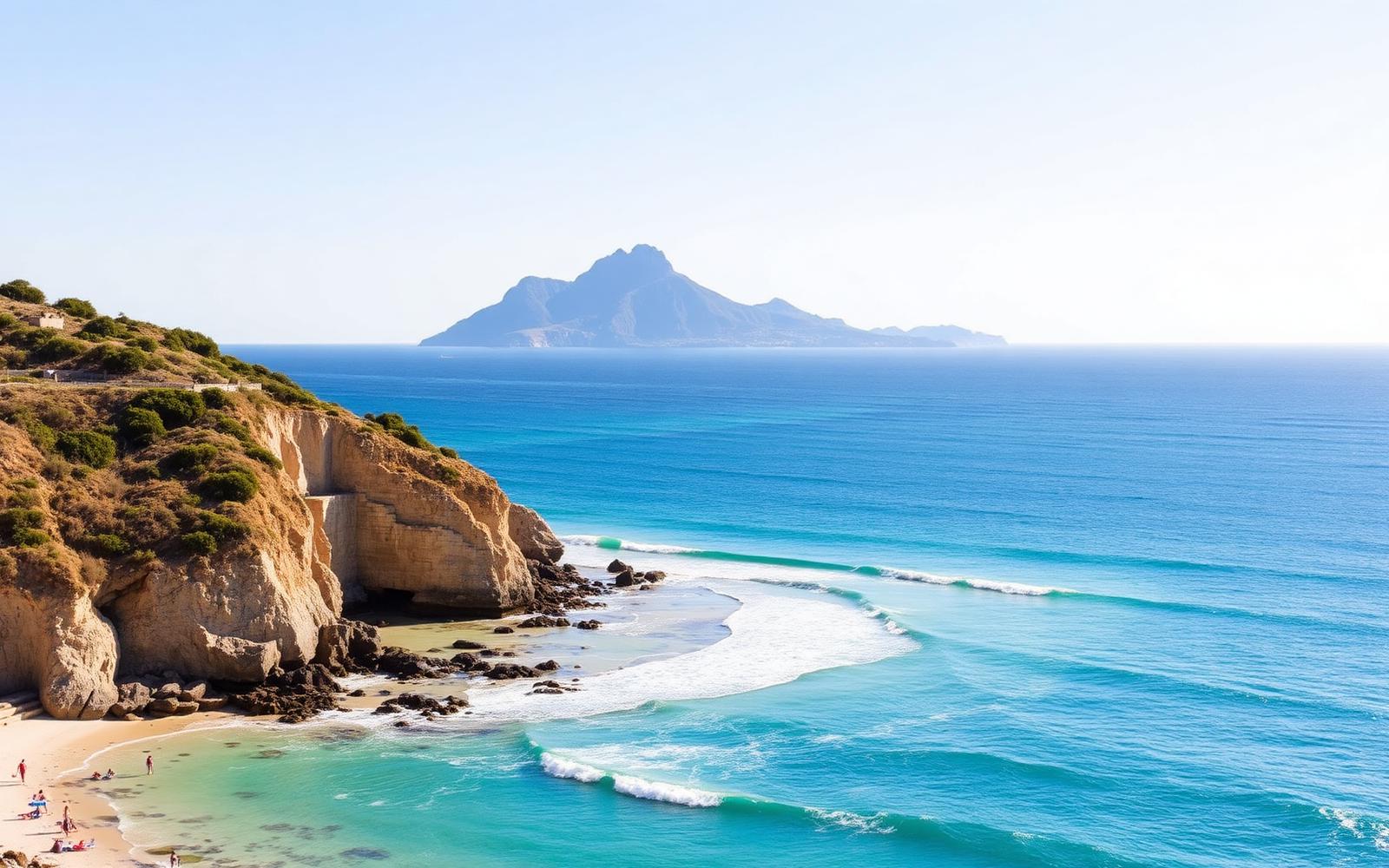
Mondello's famous crescent bay, framed by Monte Pellegrino and Monte Gallo, only picks up surf on strong northerly winter swells. What arrives is small and gentle — perfect for learners, longboards and anyone happy to trade size for turquoise water and a spectacular setting. Palermo's surf schools run most of their lessons here.

Best months
Nov – Mar
Consistency
2/5
Crowd
Often crowded
OstiaBeginnerLazio

Ostia

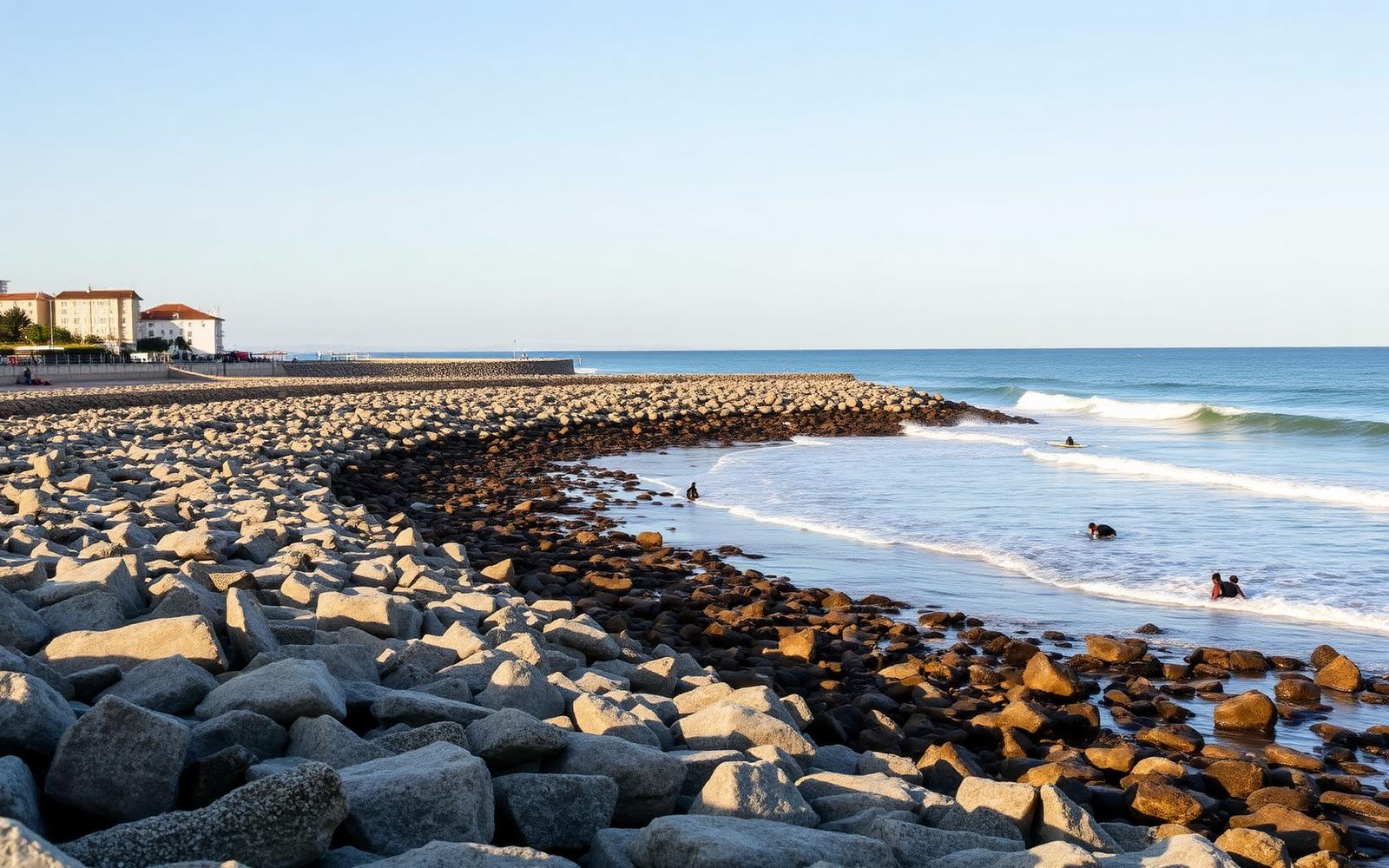
Ostia is Rome's home break, reachable in half an hour by train from Piramide station. Rock groynes trap sand and create defined peaks along the beach, giving small to medium waves with enough shape to progress on. The scene is lively and social, and on any decent winter swell the entire Roman surf community turns up at once — go early or pick a quieter groyne.

Best months
Oct – Apr
Consistency
3/5
Crowd
Often crowded
PoettoBeginnerSardinia

Poetto

Poetto is Cagliari's eight-kilometre city beach and the place southern Sardinians learn to surf. It needs a south-easterly scirocco to break, and the resulting waves are small, choppy and short-period — but they are close, warm, safe and easy to reach on a bus from the old town. Treat it as a fun, low-stakes session rather than a destination wave.

Best months
Nov – Mar
Consistency
2/5
Crowd
Moderate crowd
ViareggioBeginnerTuscany

Viareggio

Viareggio is the busiest surf town in Tuscany and the centre of the region's surf culture, with shops, schools and a line-up that fills within an hour of any forecast. The beach runs for kilometres, so peaks shift with the sandbanks and there is almost always space to find your own. Waves are typically waist to chest high and user-friendly, occasionally doubling in size on a big winter libeccio.

Best months
Oct – Apr
Consistency
3/5
Crowd
Often crowded

Other levels