The surf map of Italy

Find real waves on the Italian coast

An interactive, research-grade guide to every meaningful surf break in Italy — conditions, seasons, access and local knowledge, in English and Italian.

surf breaks mapped
16
coastal regions
5
languages, everywhere
2

Every break on one map

Filter by region, level and season, then open the spot page for the full picture.

Explore the map
Loading…

Surf by region

From Ligurian libeccio to Sardinian mistral — each coast has its own rhythm.

Liguria3

Liguria

Short, punchy swells between the mountains and the sea

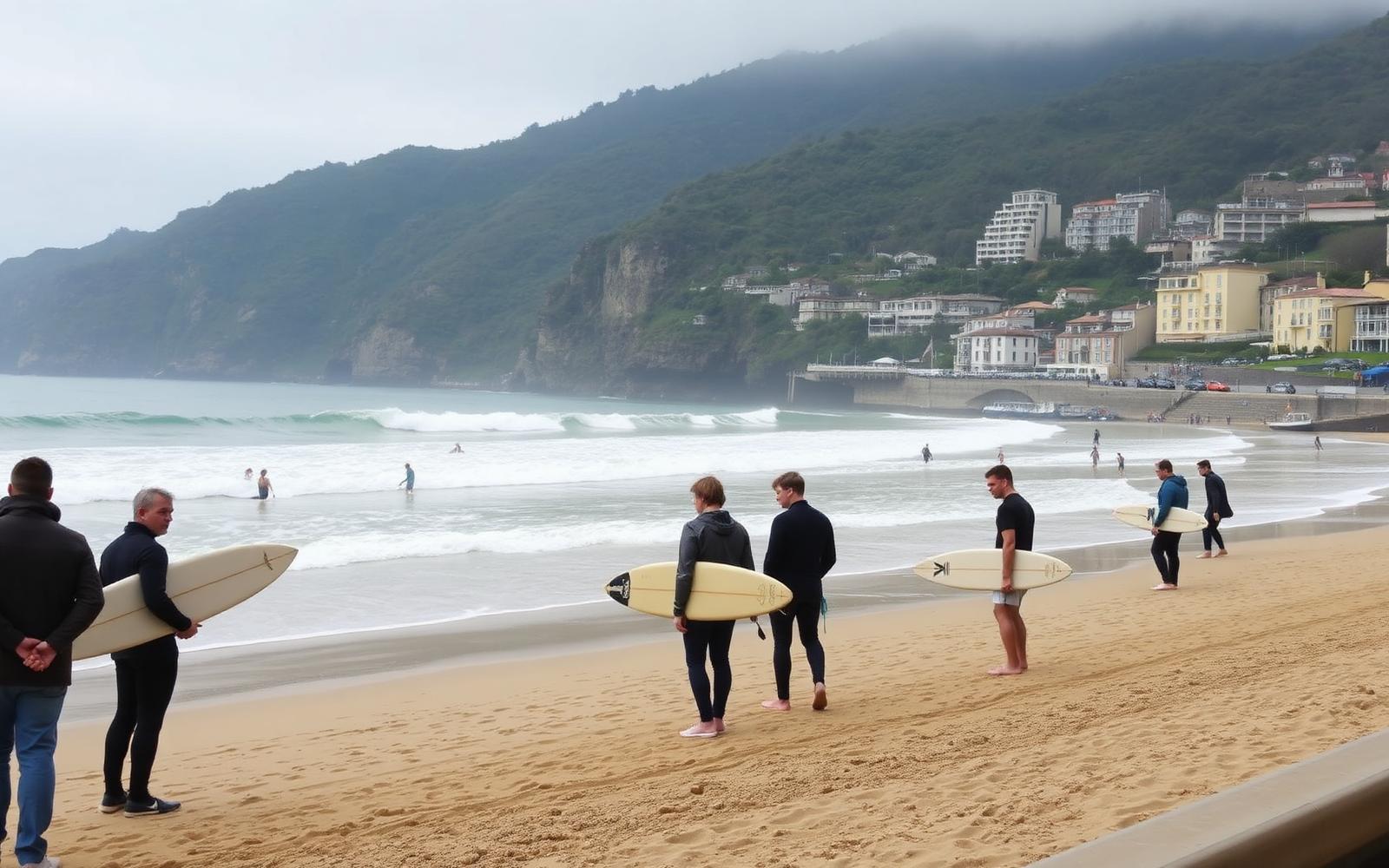
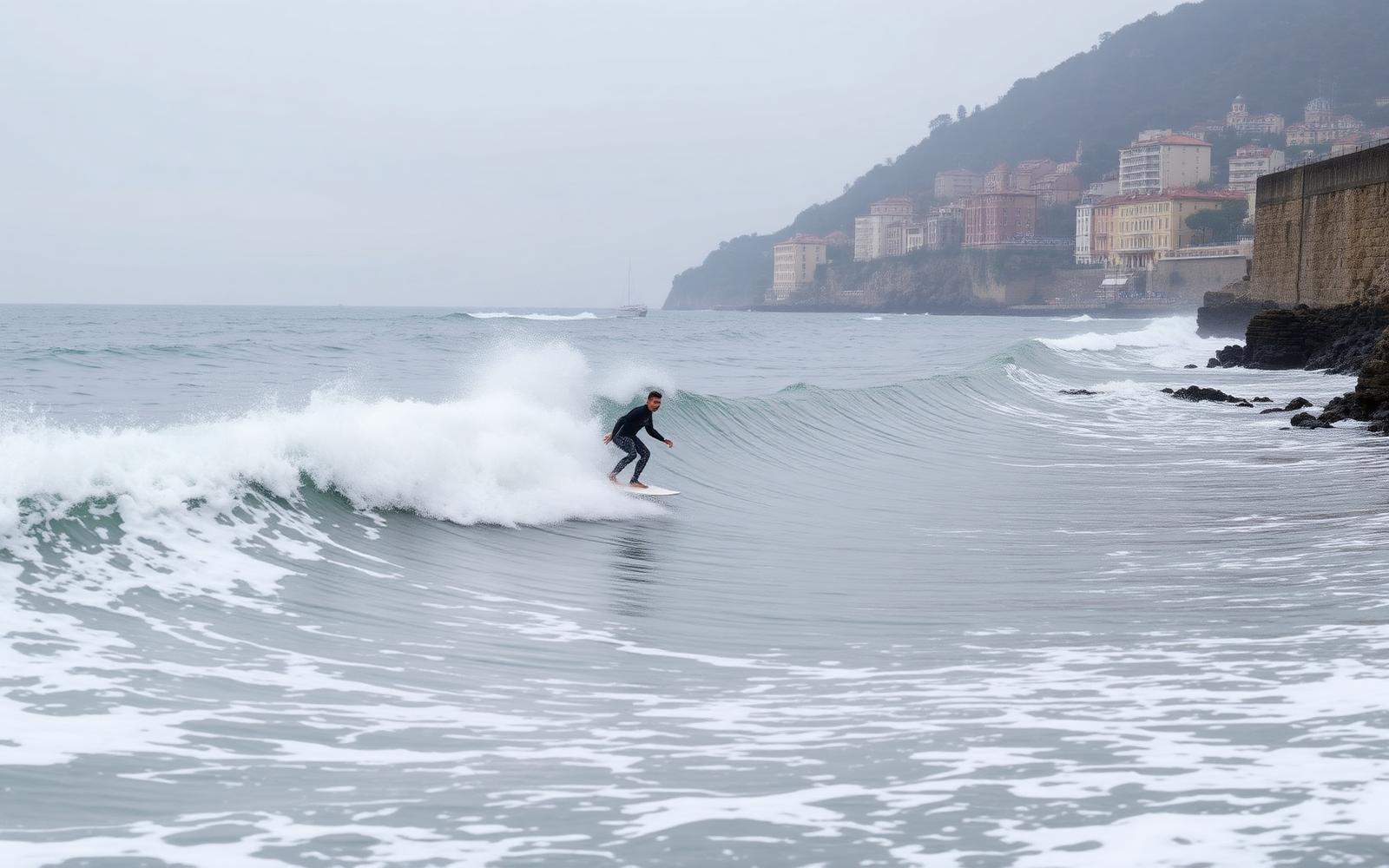
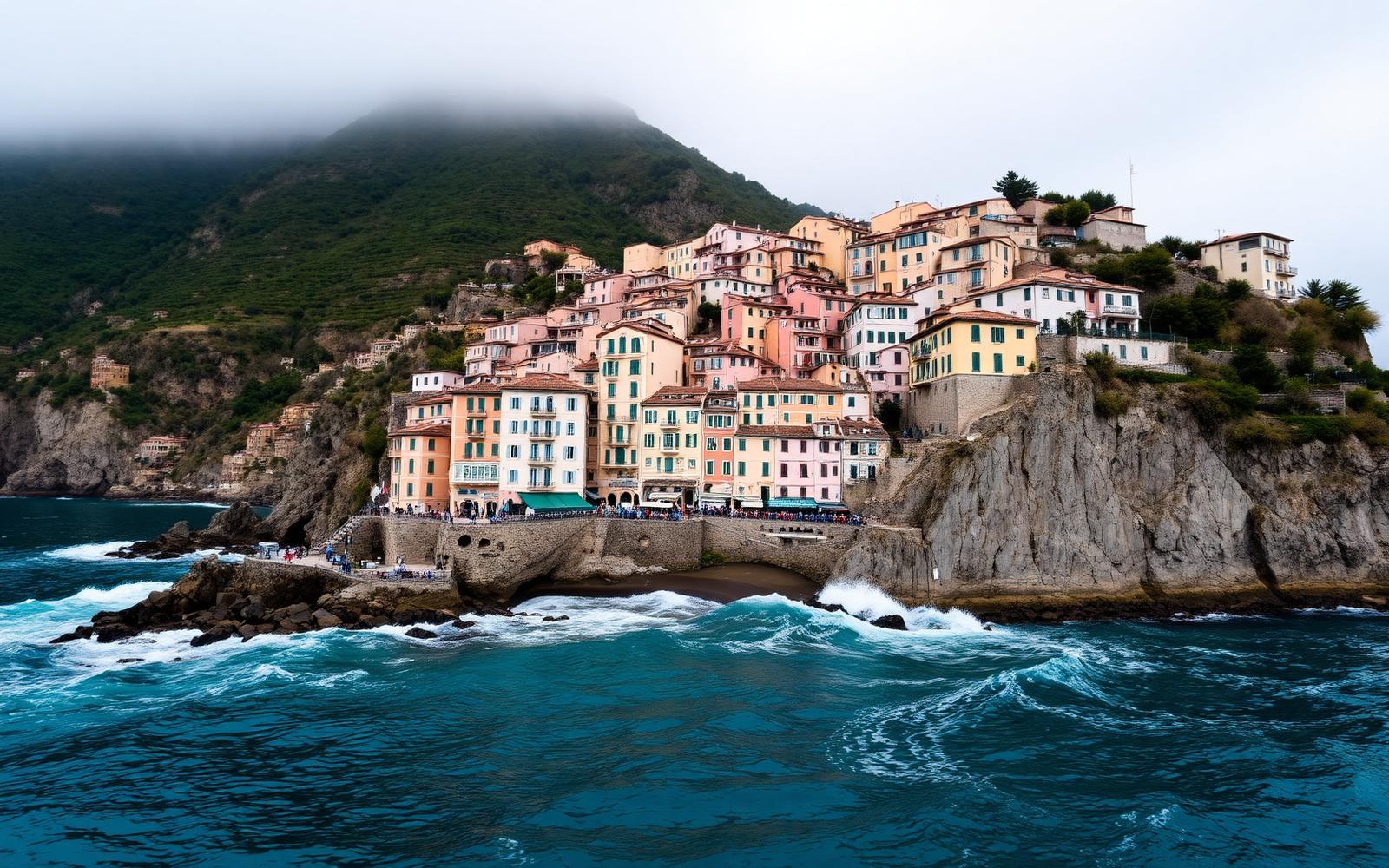
Liguria is the closest real surf to Milan and Turin, and the region where Italian surfing first took root. The Ligurian Sea is small and steep, so swells arrive fast, peak hard and disappear within a day — but when a south-west libeccio storm lines up, Levanto and Varazze deliver clean, powerful waves against a backdrop of terraced hills and pastel villages. The season runs from October to April, and the local scene is tight, experienced and welcoming to visitors who show respect in the water.

Tuscany4

Tuscany

Long sandy beaches and Italy's most consistent beginner coast

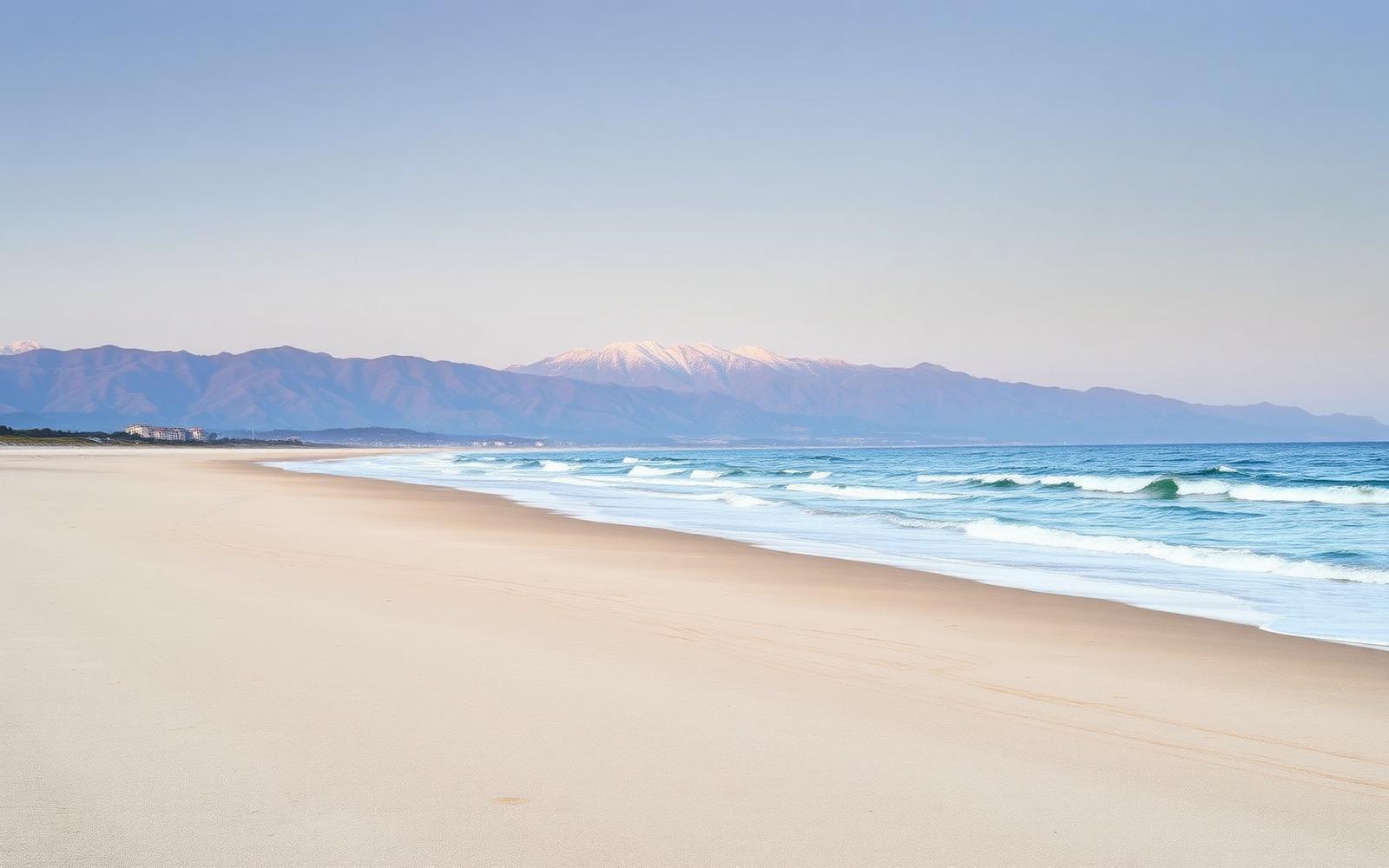
The Tuscan coast between Forte dei Marmi and Livorno is the most surf-populated stretch of mainland Italy. Long, gently sloping sand beaches turn autumn and winter libeccio swells into forgiving peaks that suit learners and longboarders, while reef and jetty setups near Livorno hold more size for experienced surfers. Add surf schools, easy parking, trains from Florence and Pisa, and post-session focaccia, and Tuscany becomes the easiest place in Italy to plan a first surf trip.

Sardinia4

Sardinia

The most powerful and consistent surf in the Mediterranean

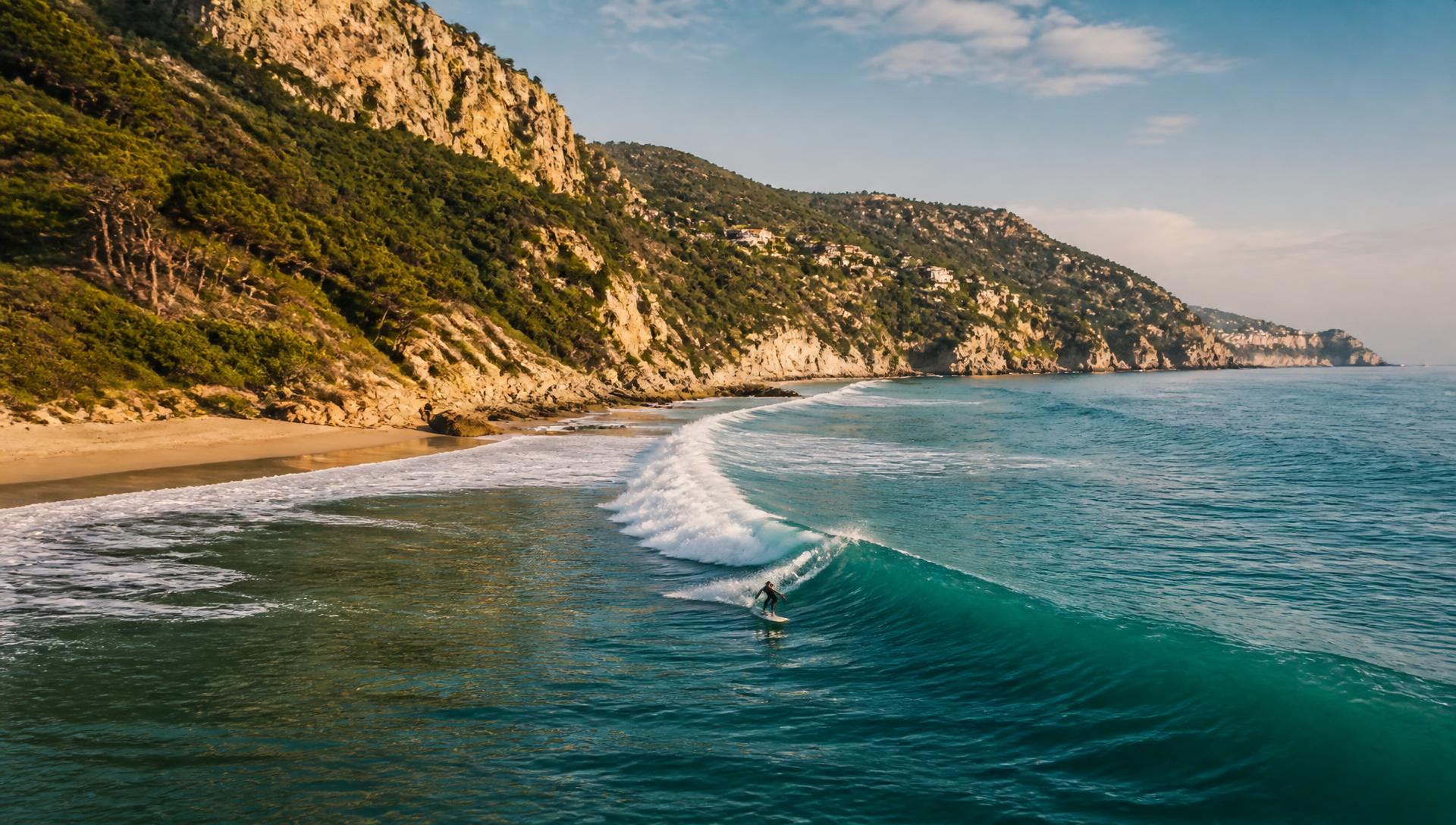
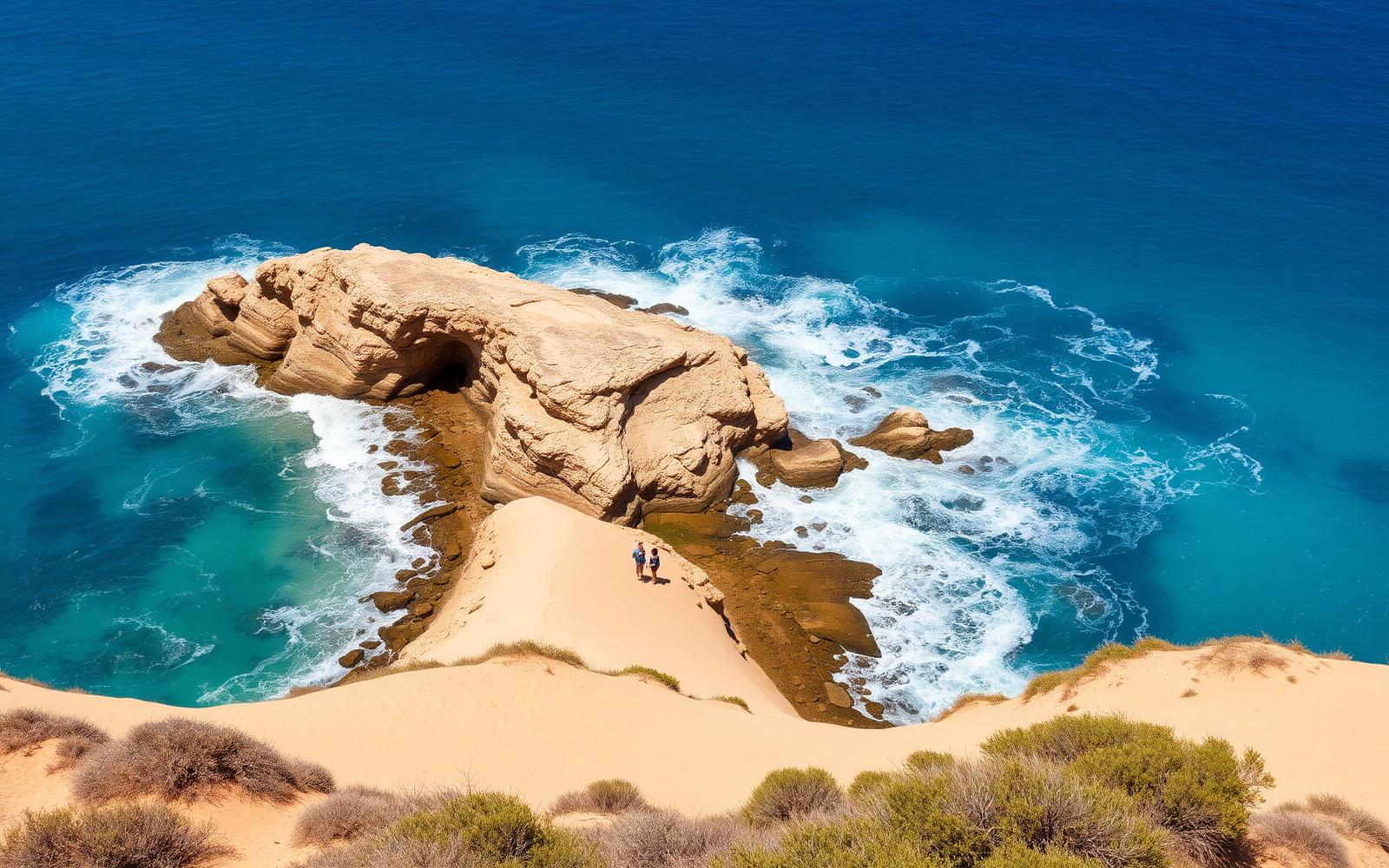
Sardinia is the closest thing the Mediterranean has to a proper surf destination. The west coast faces a long north-westerly fetch, so mistral winds build real groundswell that hits exposed points and reefs from Capo Mannu down to Buggerru with Atlantic-style power. Water is warm into November, the coastline is wild and largely undeveloped, and a single mistral cycle can produce three or four days of clean, rideable surf — rare anywhere else in Italy.

Sicily3

Sicily

Warm-water winter surf under Mediterranean light

Sicily surfs almost entirely in winter, when tramontana and north-west storms push swell onto the Tyrrhenian coast west and east of Palermo, and easterlies light up the Ionian side around Catania. Sessions here rarely need more than a 3/2 wetsuit, crowds are thin outside the Palermo beaches, and the setting — Monte Pellegrino, citrus groves, Etna on the horizon — is unlike anywhere else in Europe.

Lazio2

Lazio

Rome's home break, thirty minutes from the centre

Lazio is city surfing: Ostia is reachable by metro-train from central Rome, and Santa Marinella sits an hour up the Aurelia. The coast faces south-west, so the same libeccio systems that light up Tuscany reach Rome a few hours later, usually smaller and shorter-lived but perfectly rideable. It is a friendly, chaotic, very Roman scene — best treated as a bonus session on a city trip rather than the reason for the journey.

Start with these

The breaks that define surfing in Italy.

Capo MannuAdvancedSardinia

Capo Mannu

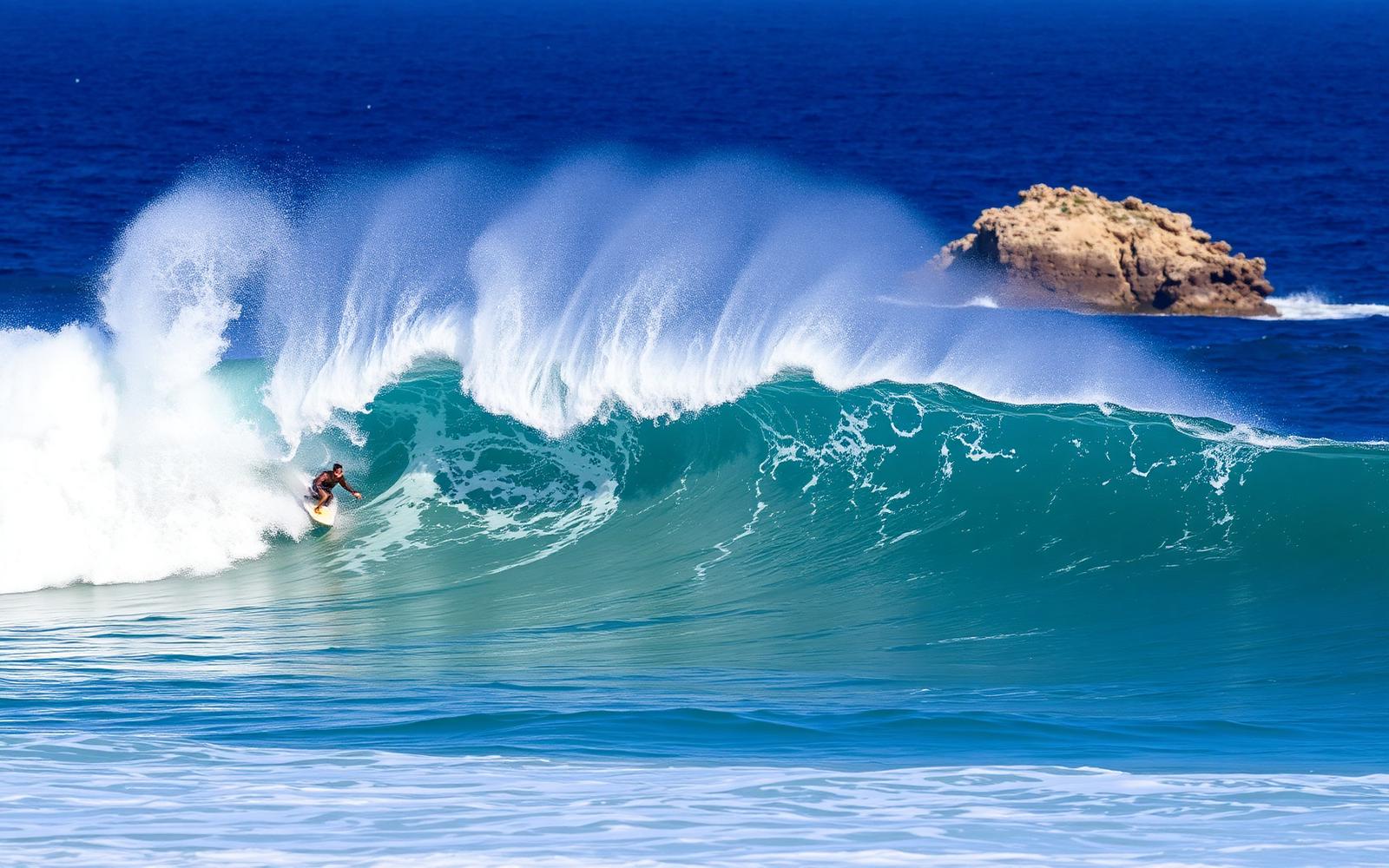
Capo Mannu is the most famous wave in the Mediterranean and the reason Sardinia appears on international surf maps. The exposed headland on the Sinis peninsula catches every north-west mistral swell and turns it into a long, hollow right-hander over reef, with an outside peak that can hold well overhead. It is powerful, shallow and genuinely world-class on its day — a wave for confident, experienced surfers only.

Best months
Oct – Apr
Consistency
4/5
Crowd
Moderate crowd
LevantoIntermediateLiguria

Levanto

Levanto is the best-known wave in Liguria and the traditional gateway to Italian surfing. The wide bay at the northern edge of the Cinque Terre catches south-west libeccio swell and organises it into rideable left and right peaks along the sand, with the cleanest banks usually found towards the northern end near the breakwater. On a mid-sized swell with north-east wind the wave is punchy but manageable — hollow enough to be fun, forgiving enough to progress on.

Best months
Oct – Apr
Consistency
3/5
Crowd
Often crowded
PortixedduIntermediateSardinia

Portixeddu

Portixeddu is the most reliable beach break on Sardinia's south-west coast, a wide arc of sand between Buggerru and Capo Pecora that picks up almost every mistral swell. Multiple peaks spread the crowd — usually only a handful of surfers — and the wave has real punch without the danger of the reefs nearby. On the right day it produces fast, sand-bottom barrels that surprise first-time visitors.

Best months
Sep – Apr
Consistency
4/5
Crowd
Rarely crowded
Forte dei MarmiBeginnerTuscany

Forte dei Marmi

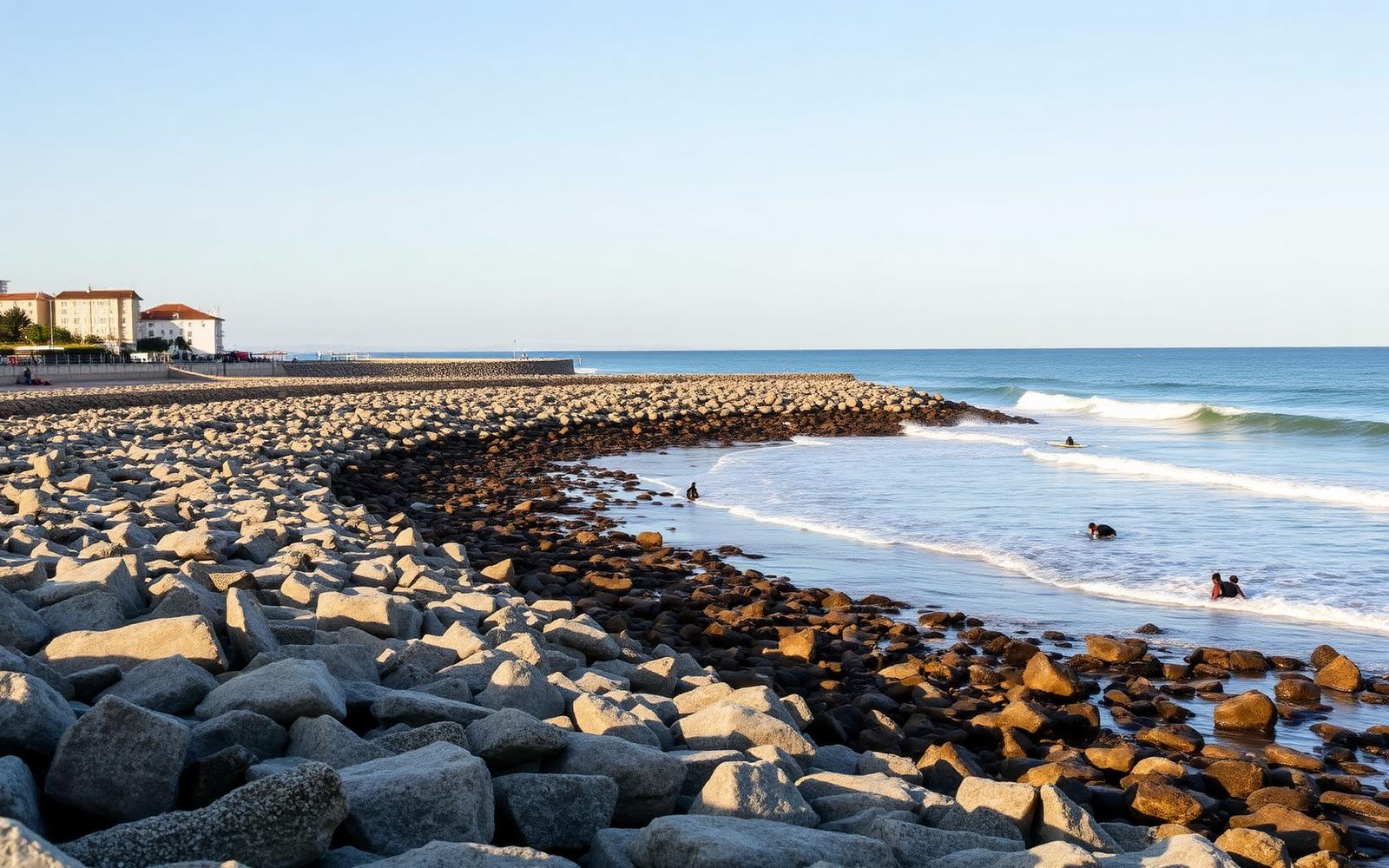
Forte dei Marmi offers some of the softest, most approachable waves on the Tuscan coast. The sandbanks either side of the historic pier shape libeccio swell into slow, rolling peaks that break a long way from shore on bigger days and reform gently inside — ideal for first waves, longboards and family sessions. Behind the beach sit the Apuan Alps, often snow-capped in winter, which makes this one of the most photogenic line-ups in Italy.

Best months
Oct – Apr
Consistency
3/5
Crowd
Moderate crowd
VarazzeAdvancedLiguria

Varazze

Varazze is the closest thing Liguria has to a world-class wave. When a strong libeccio swell wraps into the bay, a long, fast right-hander peels off the reef at Il Ponte, throwing sections that regularly draw the best surfers in northern Italy. It is a serious wave: shallow, crowded, and unforgiving of mistakes on the take-off. On smaller days the nearby beach and rivermouth banks offer a far friendlier alternative.

Best months
Oct – Mar
Consistency
3/5
Crowd
Often crowded
Isola delle FemmineIntermediateSicily

Isola delle Femmine

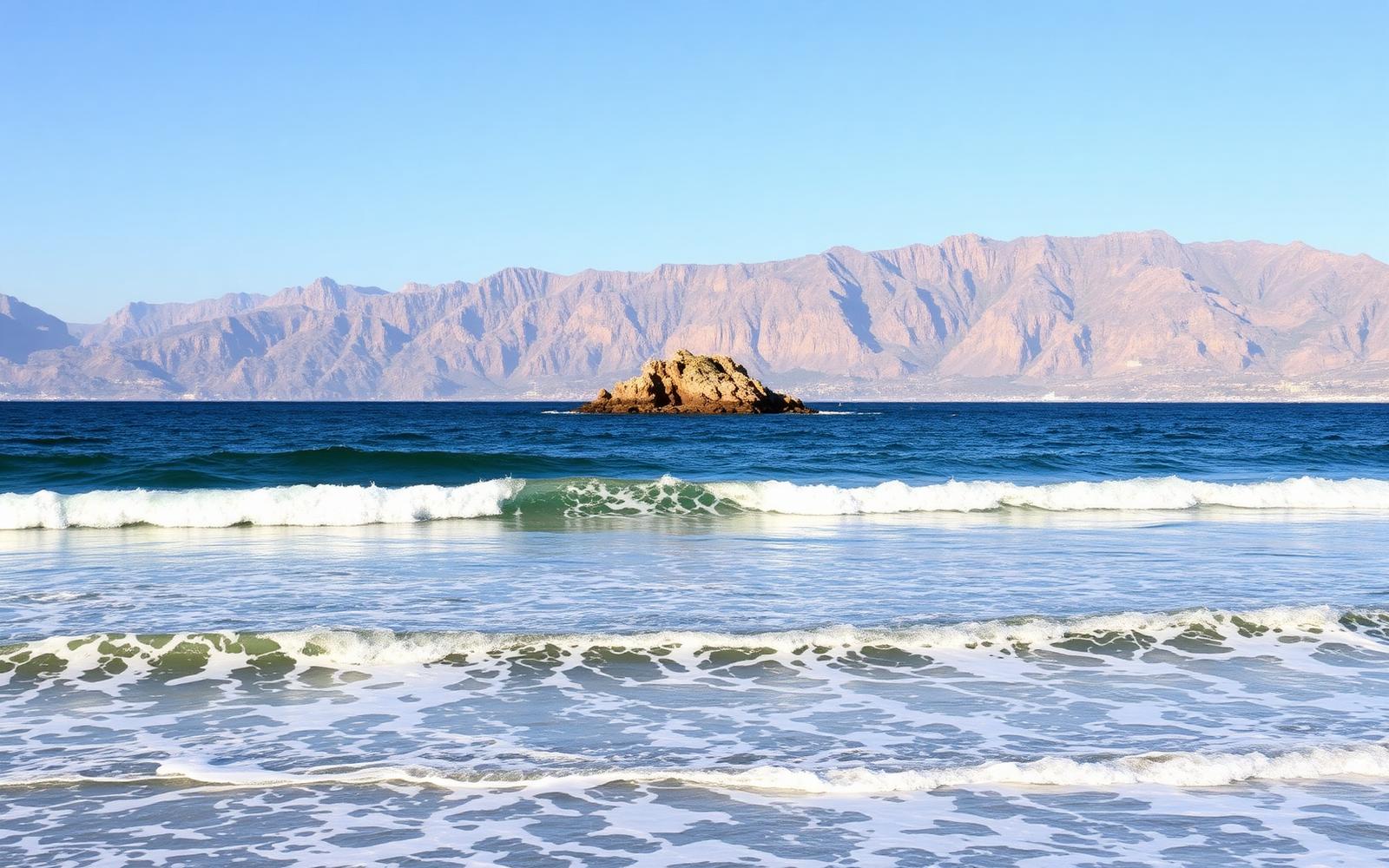
Just west of Palermo, Isola delle Femmine is the reference spot of north-west Sicily. Winter swells from the north-west wrap around the small offshore islet and break into shapely peaks in front of the village, mixing sand and reef sections. Water temperatures rarely drop below 15°C, so this is one of the few places in Europe where a proper winter surf trip needs only a light wetsuit.

Best months
Nov – Mar
Consistency
3/5
Crowd
Moderate crowd

Built for planning real trips

Structured, not chatty

Every break has the same fields, so you can compare instead of reading ten blog posts.

Honest about seasons

Mediterranean surf is seasonal and fickle. We say when a spot works — and when it doesn't.

Bilingual by design

Full English and Italian versions of every page, not machine translation bolted on.

Coming soon

What comes next

SurfItalia is built to grow. These are the layers already designed into the foundation.

Surf schools & camps

A verified directory of schools, camps and rentals attached to every break.

Live conditions

Swell, wind and tide readings on each spot page, sourced per break.

AI trip planner

Tell it your dates and level, get a realistic Italian surf itinerary.

Accounts & favourites

Save spots, track sessions and contribute local knowledge.