Surfing in Italy in November

16 breaks that are in season in November.

These are the Italian surf spots that typically work in November. Mediterranean swell is short-lived, so treat this as a shortlist to check against the forecast rather than a guarantee.

BuggerruAdvancedSardinia

Buggerru

The old mining harbour of Buggerru shelters a quick, powerful left that breaks over a mix of rock and sand right beside the pier. It needs a solid mistral swell to start working, and when it does the wave is short, steep and demanding, with a fast section straight off the take-off. The industrial-heritage setting, with mine shafts cut into the cliffs above, makes it one of the most striking spots in Italy.

Best months
Oct – Mar
Consistency
3/5
Crowd
Rarely crowded
Capo MannuAdvancedSardinia

Capo Mannu

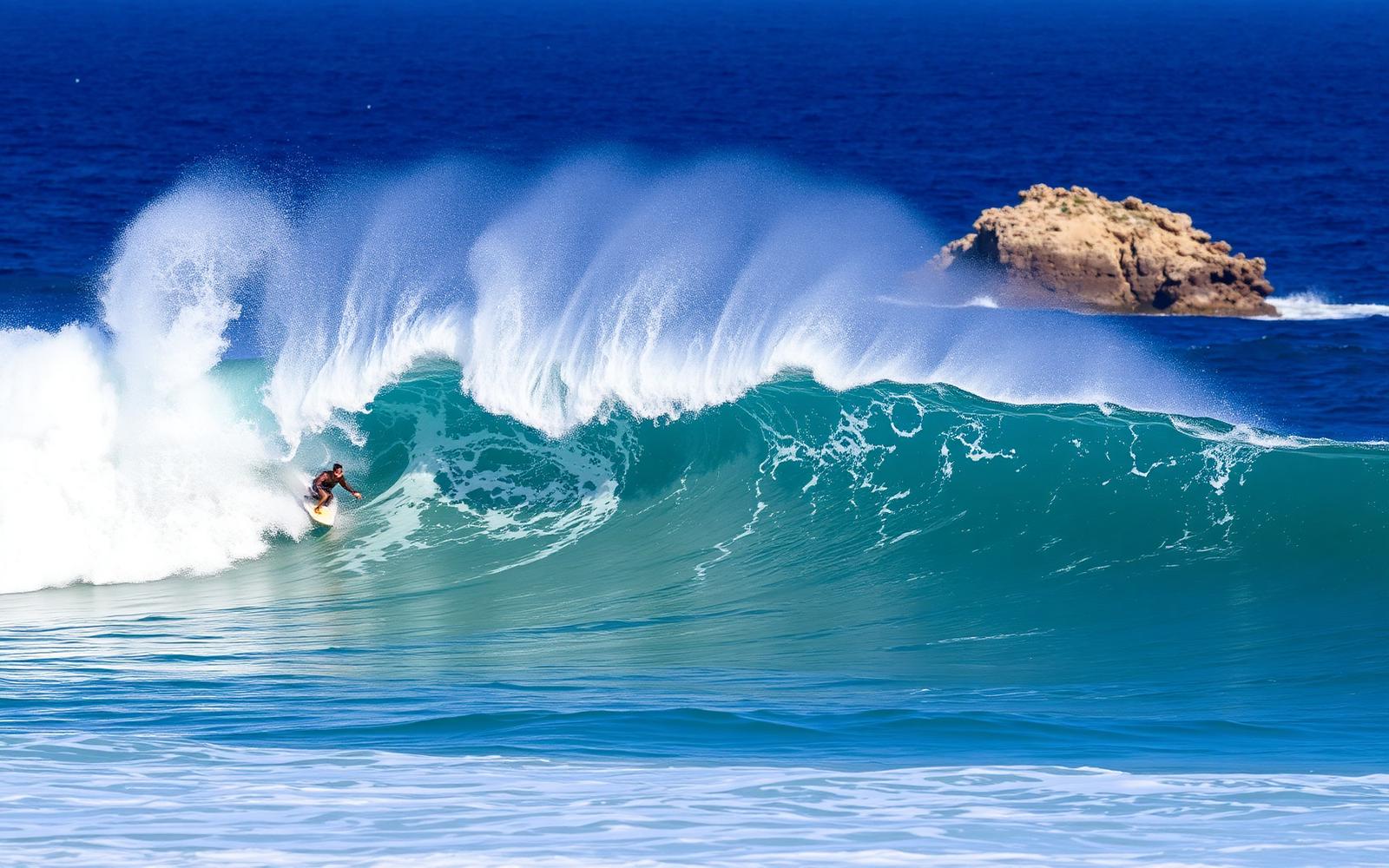
Capo Mannu is the most famous wave in the Mediterranean and the reason Sardinia appears on international surf maps. The exposed headland on the Sinis peninsula catches every north-west mistral swell and turns it into a long, hollow right-hander over reef, with an outside peak that can hold well overhead. It is powerful, shallow and genuinely world-class on its day — a wave for confident, experienced surfers only.

Best months
Oct – Apr
Consistency
4/5
Crowd
Moderate crowd
Forte dei MarmiBeginnerTuscany

Forte dei Marmi

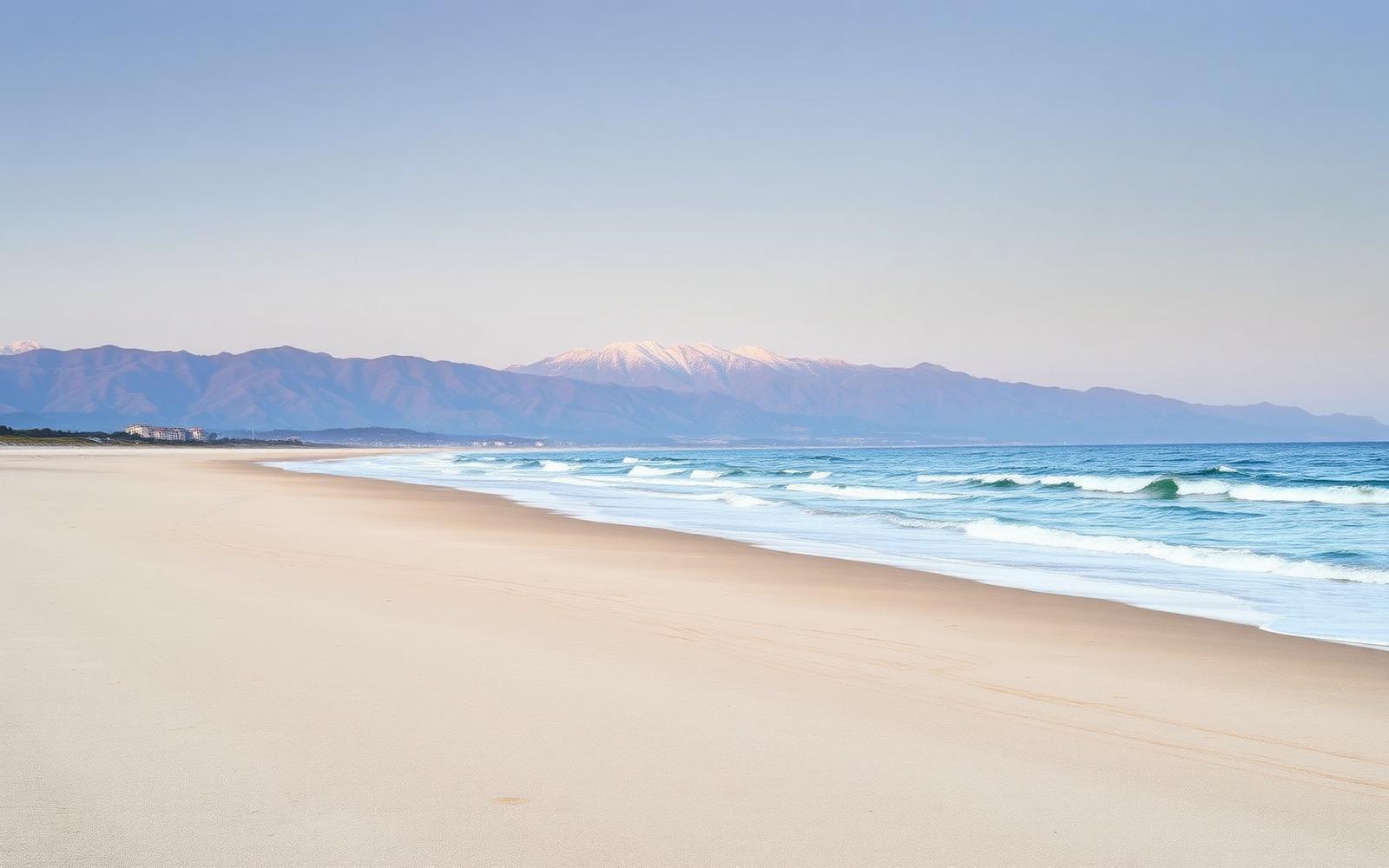
Forte dei Marmi offers some of the softest, most approachable waves on the Tuscan coast. The sandbanks either side of the historic pier shape libeccio swell into slow, rolling peaks that break a long way from shore on bigger days and reform gently inside — ideal for first waves, longboards and family sessions. Behind the beach sit the Apuan Alps, often snow-capped in winter, which makes this one of the most photogenic line-ups in Italy.

Best months
Oct – Apr
Consistency
3/5
Crowd
Moderate crowd
Isola delle FemmineIntermediateSicily

Isola delle Femmine

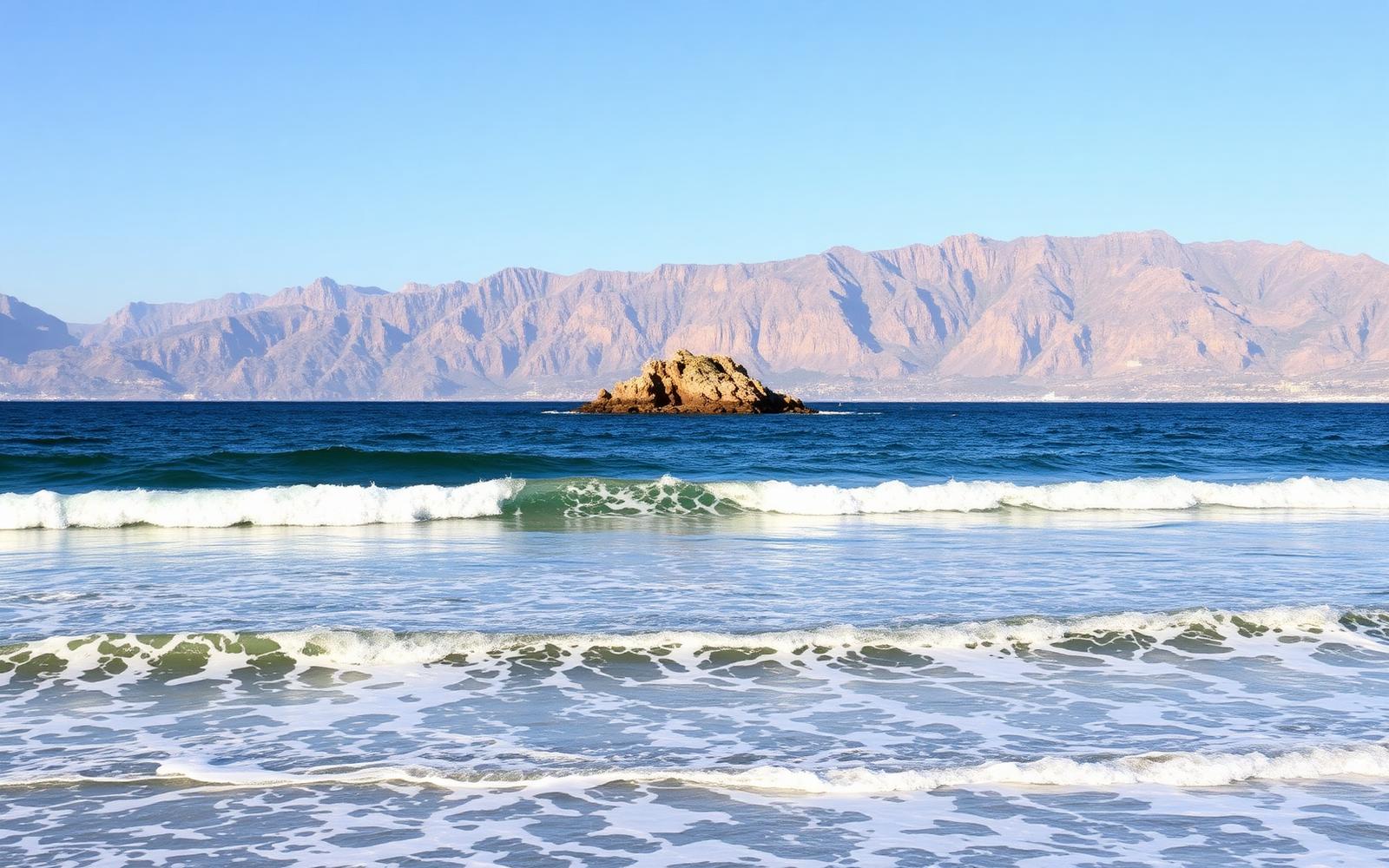
Just west of Palermo, Isola delle Femmine is the reference spot of north-west Sicily. Winter swells from the north-west wrap around the small offshore islet and break into shapely peaks in front of the village, mixing sand and reef sections. Water temperatures rarely drop below 15°C, so this is one of the few places in Europe where a proper winter surf trip needs only a light wetsuit.

Best months
Nov – Mar
Consistency
3/5
Crowd
Moderate crowd
La Playa, CataniaBeginnerSicily

La Playa, Catania

La Playa stretches south from Catania's harbour for kilometres of open sand, and picks up east and north-east swells generated in the Ionian Sea. Waves are usually small and short-period, but the beach is wide, safe and completely uncrowded outside summer, with Etna rising behind the city. A useful backup when the Tyrrhenian side is flat.

Best months
Oct – Mar
Consistency
2/5
Crowd
Rarely crowded
LevantoIntermediateLiguria

Levanto

Levanto is the best-known wave in Liguria and the traditional gateway to Italian surfing. The wide bay at the northern edge of the Cinque Terre catches south-west libeccio swell and organises it into rideable left and right peaks along the sand, with the cleanest banks usually found towards the northern end near the breakwater. On a mid-sized swell with north-east wind the wave is punchy but manageable — hollow enough to be fun, forgiving enough to progress on.

Best months
Oct – Apr
Consistency
3/5
Crowd
Often crowded
LillatroIntermediateTuscany

Lillatro

Lillatro, just south of Rosignano, is the reference wave of the Livorno coast. A rock and boulder bottom gives the wave more shape and hold than the sandy beaches to the north, producing quick rights and lefts that stay clean in stronger winds. It handles size well and is the natural next step for surfers who have outgrown Versilia beach breaks.

Best months
Oct – Mar
Consistency
3/5
Crowd
Moderate crowd
Marina di GrossetoBeginnerTuscany

Marina di Grosseto

The Maremma coast south of Grosseto is quiet, pine-backed and refreshingly empty compared to Versilia. Waves are smaller and less frequent here, but when a west swell arrives the long open beach produces soft, well-spaced peaks with almost nobody out. It is a good choice for families combining a surf session with the nature reserves and hot springs inland.

Best months
Nov – Mar
Consistency
2/5
Crowd
Rarely crowded
MondelloBeginnerSicily

Mondello

Mondello's famous crescent bay, framed by Monte Pellegrino and Monte Gallo, only picks up surf on strong northerly winter swells. What arrives is small and gentle — perfect for learners, longboards and anyone happy to trade size for turquoise water and a spectacular setting. Palermo's surf schools run most of their lessons here.

Best months
Nov – Mar
Consistency
2/5
Crowd
Often crowded
OstiaBeginnerLazio

Ostia

Ostia is Rome's home break, reachable in half an hour by train from Piramide station. Rock groynes trap sand and create defined peaks along the beach, giving small to medium waves with enough shape to progress on. The scene is lively and social, and on any decent winter swell the entire Roman surf community turns up at once — go early or pick a quieter groyne.

Best months
Oct – Apr
Consistency
3/5
Crowd
Often crowded
PoettoBeginnerSardinia

Poetto

Poetto is Cagliari's eight-kilometre city beach and the place southern Sardinians learn to surf. It needs a south-easterly scirocco to break, and the resulting waves are small, choppy and short-period — but they are close, warm, safe and easy to reach on a bus from the old town. Treat it as a fun, low-stakes session rather than a destination wave.

Best months
Nov – Mar
Consistency
2/5
Crowd
Moderate crowd
PortixedduIntermediateSardinia

Portixeddu

Portixeddu is the most reliable beach break on Sardinia's south-west coast, a wide arc of sand between Buggerru and Capo Pecora that picks up almost every mistral swell. Multiple peaks spread the crowd — usually only a handful of surfers — and the wave has real punch without the danger of the reefs nearby. On the right day it produces fast, sand-bottom barrels that surprise first-time visitors.

Best months
Sep – Apr
Consistency
4/5
Crowd
Rarely crowded
ReccoIntermediateLiguria

Recco

Tucked into the Golfo Paradiso east of Genoa, Recco is a short, steep pebble break that comes alive only on bigger south-west swells that push past Portofino. When it works the wave is quick and hollow, breaking close to shore beside the harbour wall, and the session usually lasts as long as the swell peak — a few hours rather than a few days. It is a local wave, best surfed with a bit of patience and a good forecast.

Best months
Nov – Mar
Consistency
2/5
Crowd
Moderate crowd
Santa MarinellaIntermediateLazio

Santa Marinella

An hour north of Rome, Santa Marinella hides one of central Italy's better point setups. A rock shelf on the western side of the bay lines up west swells into a long, workable right-hander that stays clean when the beach breaks are blown out. It rewards patience and positioning more than power, and the bay's shelter makes it surfable in conditions that close everything else down.

Best months
Nov – Mar
Consistency
3/5
Crowd
Moderate crowd
VarazzeAdvancedLiguria

Varazze

Varazze is the closest thing Liguria has to a world-class wave. When a strong libeccio swell wraps into the bay, a long, fast right-hander peels off the reef at Il Ponte, throwing sections that regularly draw the best surfers in northern Italy. It is a serious wave: shallow, crowded, and unforgiving of mistakes on the take-off. On smaller days the nearby beach and rivermouth banks offer a far friendlier alternative.

Best months
Oct – Mar
Consistency
3/5
Crowd
Often crowded
ViareggioBeginnerTuscany

Viareggio

Viareggio is the busiest surf town in Tuscany and the centre of the region's surf culture, with shops, schools and a line-up that fills within an hour of any forecast. The beach runs for kilometres, so peaks shift with the sandbanks and there is almost always space to find your own. Waves are typically waist to chest high and user-friendly, occasionally doubling in size on a big winter libeccio.

Best months
Oct – Apr
Consistency
3/5
Crowd
Often crowded

Other months