Sardinia

The most powerful and consistent surf in the Mediterranean

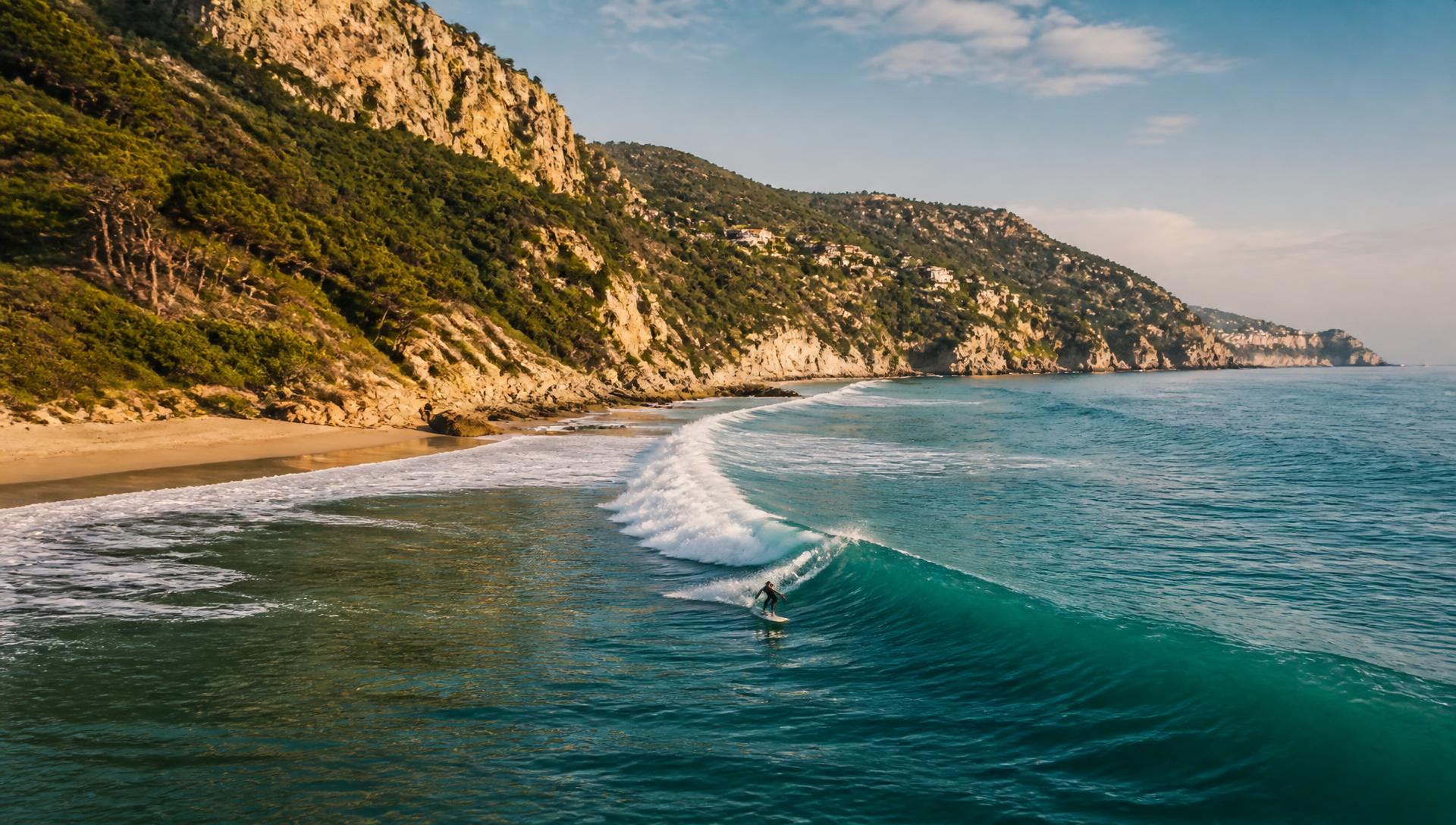
Sardinia is the closest thing the Mediterranean has to a proper surf destination. The west coast faces a long north-westerly fetch, so mistral winds build real groundswell that hits exposed points and reefs from Capo Mannu down to Buggerru with Atlantic-style power. Water is warm into November, the coastline is wild and largely undeveloped, and a single mistral cycle can produce three or four days of clean, rideable surf — rare anywhere else in Italy.

Region at a glance

breaks

4

Level spread

1 / 1 / 2

Best window

Jan – Dec

Family friendly

2

Loading…

Find the right break here

Filters

4 spots
BuggerruAdvancedSardinia

Buggerru

The old mining harbour of Buggerru shelters a quick, powerful left that breaks over a mix of rock and sand right beside the pier. It needs a solid mistral swell to start working, and when it does the wave is short, steep and demanding, with a fast section straight off the take-off. The industrial-heritage setting, with mine shafts cut into the cliffs above, makes it one of the most striking spots in Italy.

Best months
Oct – Mar
Consistency
3/5
Crowd
Rarely crowded
Capo MannuAdvancedSardinia

Capo Mannu

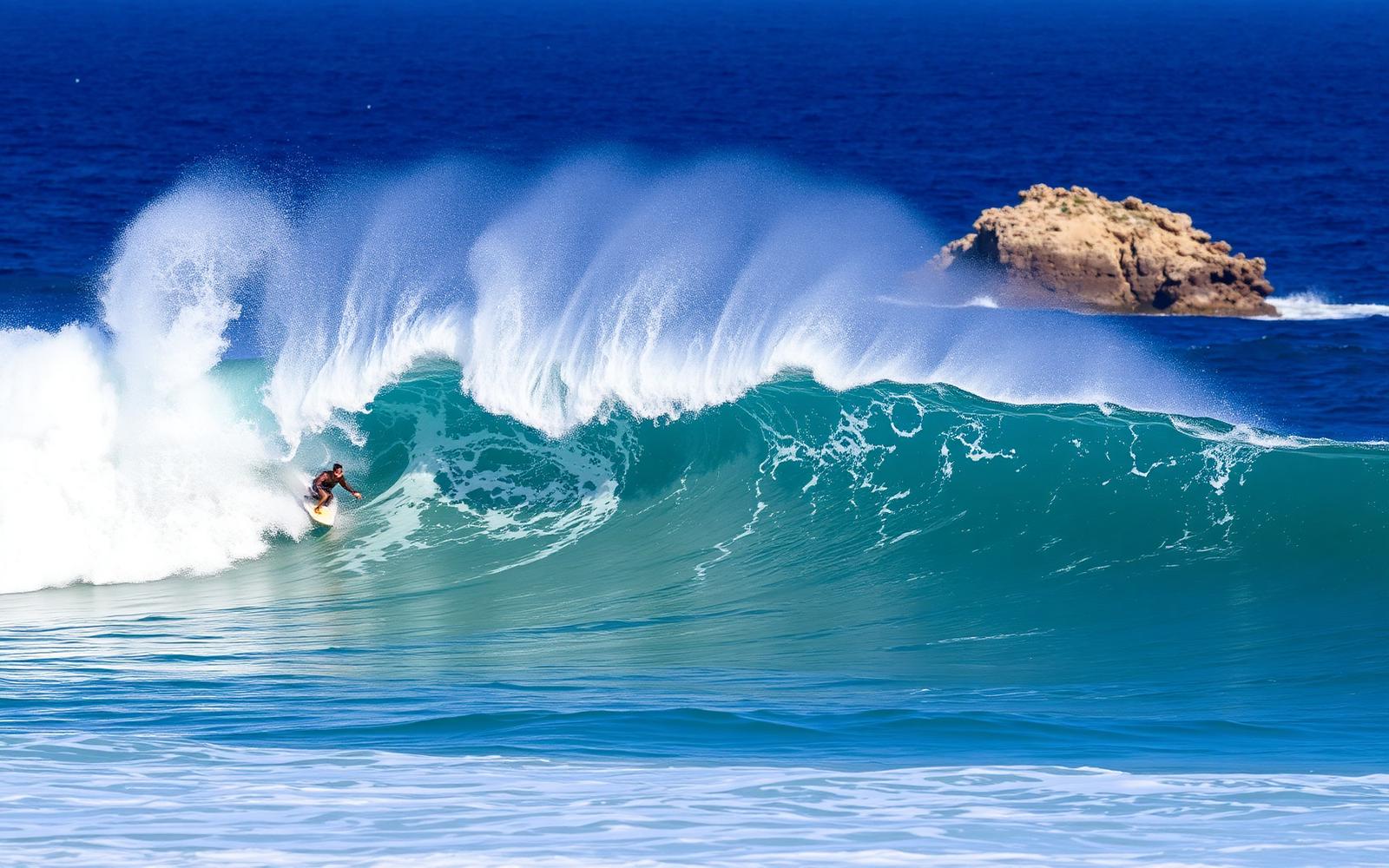
Capo Mannu is the most famous wave in the Mediterranean and the reason Sardinia appears on international surf maps. The exposed headland on the Sinis peninsula catches every north-west mistral swell and turns it into a long, hollow right-hander over reef, with an outside peak that can hold well overhead. It is powerful, shallow and genuinely world-class on its day — a wave for confident, experienced surfers only.

Best months
Oct – Apr
Consistency
4/5
Crowd
Moderate crowd
PoettoBeginnerSardinia

Poetto

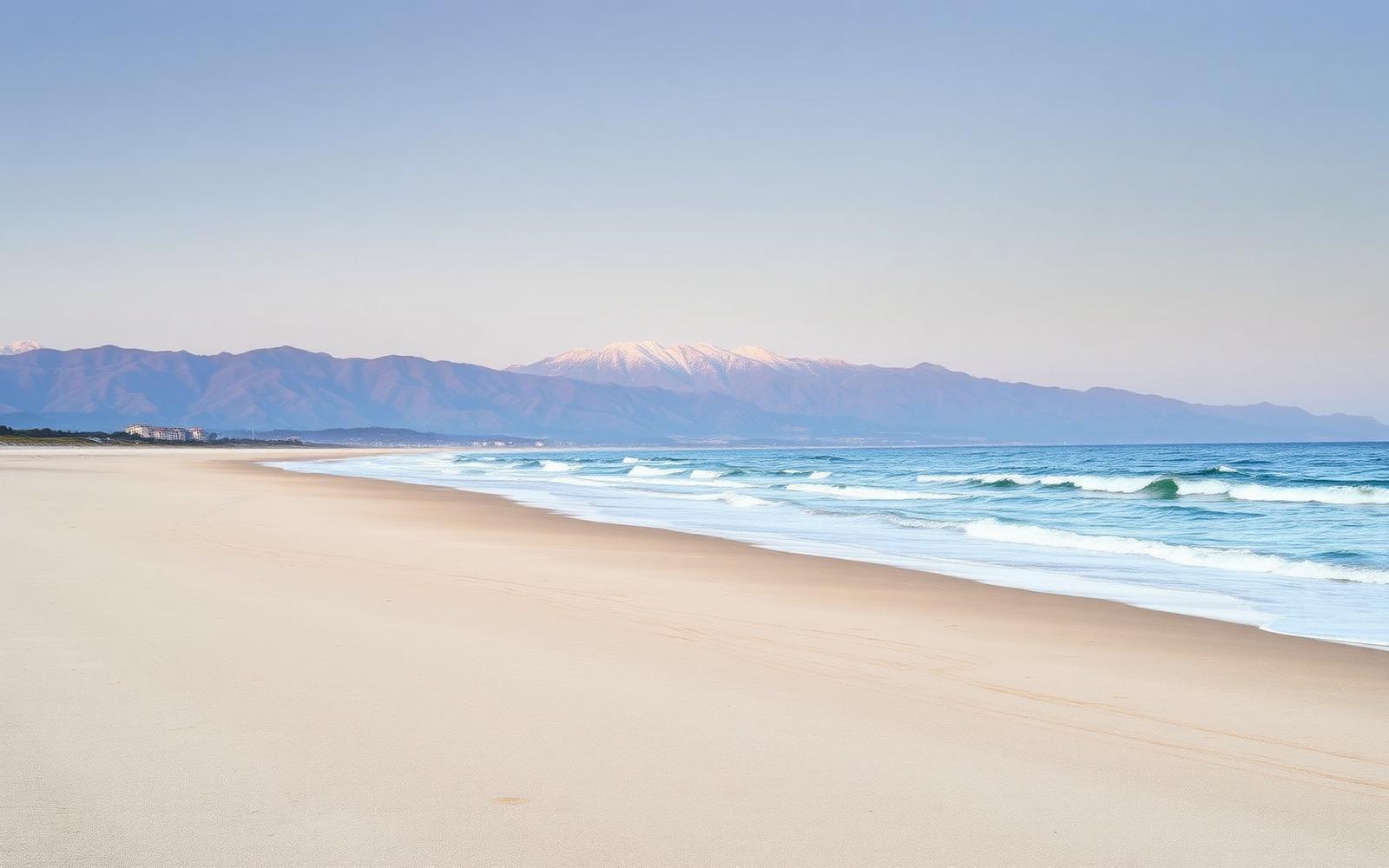
Poetto is Cagliari's eight-kilometre city beach and the place southern Sardinians learn to surf. It needs a south-easterly scirocco to break, and the resulting waves are small, choppy and short-period — but they are close, warm, safe and easy to reach on a bus from the old town. Treat it as a fun, low-stakes session rather than a destination wave.

Best months
Nov – Mar
Consistency
2/5
Crowd
Moderate crowd
PortixedduIntermediateSardinia

Portixeddu

Portixeddu is the most reliable beach break on Sardinia's south-west coast, a wide arc of sand between Buggerru and Capo Pecora that picks up almost every mistral swell. Multiple peaks spread the crowd — usually only a handful of surfers — and the wave has real punch without the danger of the reefs nearby. On the right day it produces fast, sand-bottom barrels that surprise first-time visitors.

Best months
Sep – Apr
Consistency
4/5
Crowd
Rarely crowded

Surfing here — frequently asked questions

Can you surf in Sardinia?

Yes. Sardinia has 4 documented surf breaks on SurfItalia, ranging from beginner beach breaks to advanced setups. Waves are swell-dependent rather than constant, so sessions are planned around forecasts.

When is the best time to surf in Sardinia?

Most breaks in Sardinia work best in January, February, March, October, November, December, when Mediterranean low pressures generate the short, punchy swells this coast needs.

Where should a beginner surf in Sardinia?

1 of the 4 breaks here are rated beginner-friendly, starting with Poetto. 2 spots are also flagged family friendly, with easy beach access and parking nearby.

Which is the most consistent surf spot in Sardinia?

Capo Mannu scores highest for consistency in Sardinia, which makes it the safest bet when you only have one day and the forecast is marginal.

Is Sardinia good for experienced surfers?

2 breaks are rated advanced in Sardinia. On the right swell these are the sessions people drive across Italy for — expect crowds when it lines up.

By level in this region

Jump straight to the breaks that match your ability.

By month in this region

Which of these breaks are usually working, month by month.

Guides for this region

Long-form reading before you commit to the drive.

Other Italian surf regions

Wind wrong here? These coasts often work on the opposite swell.