Surf etiquette in Italian line-ups
Small crowds, long memories: how to be welcome at an Italian break, from priority rules to parking.
5 min readUpdated 3 August 2026
Why it matters more here
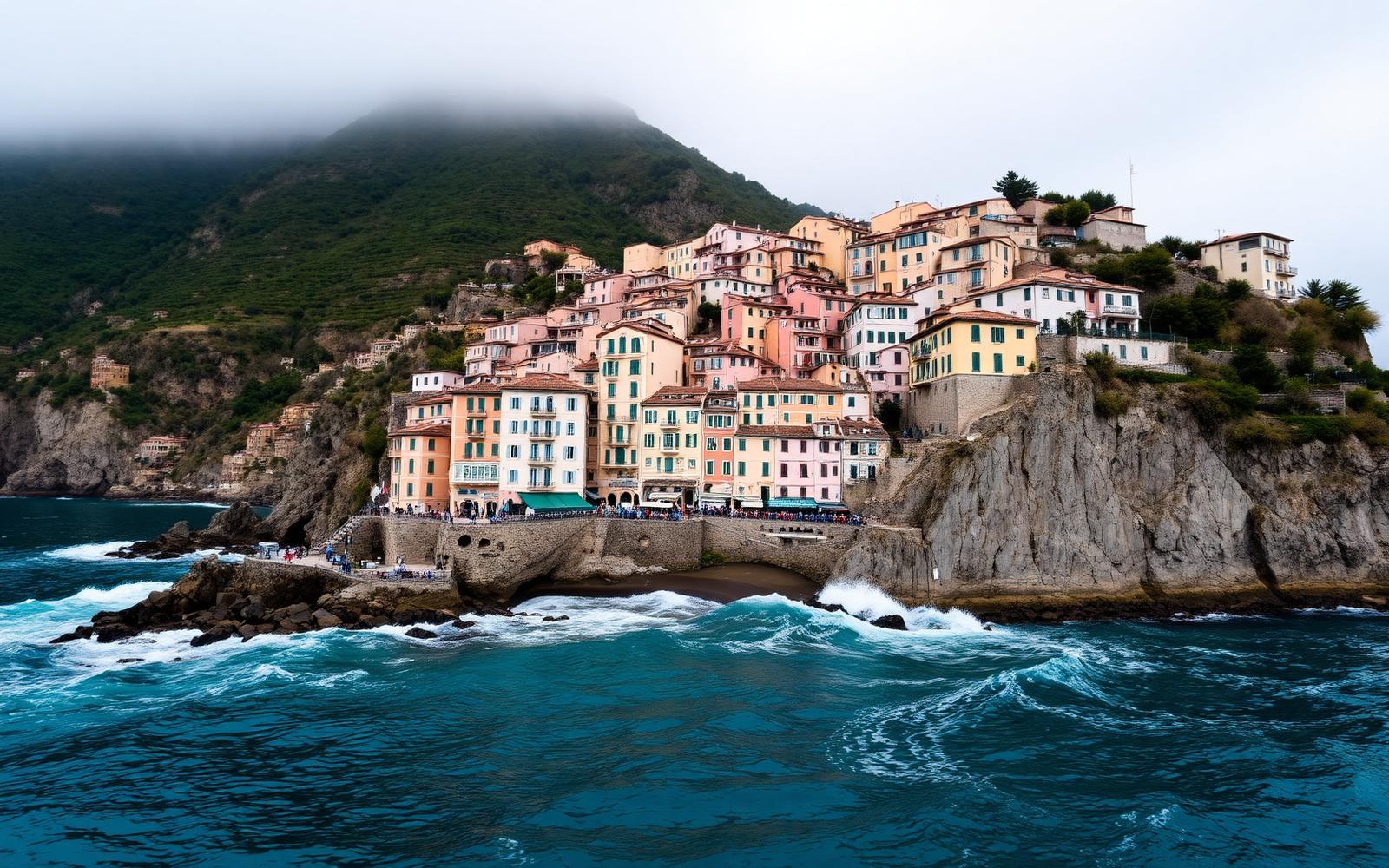
Italian surf crowds are small. On a good day at a Ligurian point there might be fifteen people in the water, and twelve of them surf there every swell. You are not anonymous. What you do in your first session is remembered in your second.
The universal rules
Priority goes to the surfer closest to the peak. On a right, that is the surfer furthest left. This is not negotiable and it is the same in every country.
Do not drop in. Taking off in front of someone already riding is the one act that turns a friendly line-up hostile.
Do not snake. Paddling around someone to claim inside position is a drop-in with extra steps.
Paddle wide. Going back out, go around the break, not through the middle of it.
Own your mistakes. If you drop in, apologise. It costs nothing and it resets everything.
The Italian specifics
Say hello. A *ciao* or a nod when you paddle out is standard and it changes how the session goes. Silence reads as arrogance here.
Do not arrive mob-handed. Three friends at a small reef is fine. Eight is an invasion.
Wait your turn on a short peak. Many Italian breaks have one takeoff zone. Sit, watch the rotation, take your wave, go back. Burning three in a row marks you.
Park properly. Access to several Italian breaks depends on informal arrangements with residents and beach clubs. Blocking a gate or a private drive does more damage to a spot than any drop-in.
Take your rubbish, including wax paper. Beach cleanliness is a live political issue on the Italian coast.
Localism, honestly
Italian localism is real but mild by international standards, and it is almost always a reaction rather than a default. Capo Mannu on a big day and a handful of Ligurian points are the places to be most humble. Surf modestly, share waves, and it dissolves quickly.
Photography and geotagging
Ask before filming people. Be thoughtful about geotagging fragile spots — a small reef with a five-car parking area does not survive going viral. Naming a region is generous; posting the exact access path is not.
The short version
Be visible, be polite, take fewer waves than you could, and leave the place better than you found it. In a country with small line-ups, that is all it takes to be welcome anywhere.
Spots covered in this guide
 Intermediate
Levanto
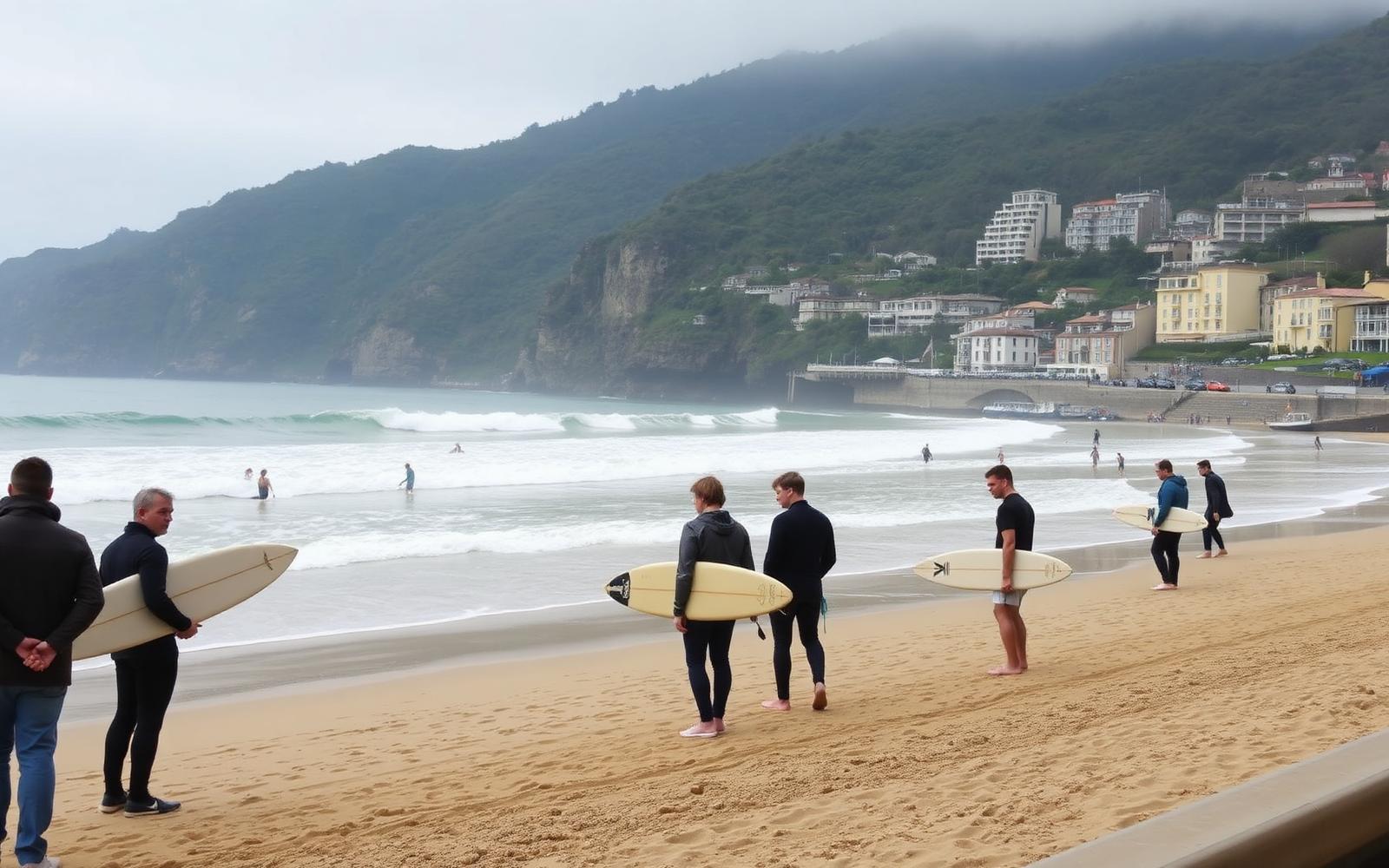
Levanto is the best-known wave in Liguria and the traditional gateway to Italian surfing. The wide bay at the northern edge of the Cinque Terre catches south-west libeccio swell and organises it into rideable left and right peaks along the sand, with the cleanest banks usually found towards the northern end near the breakwater. On a mid-sized swell with north-east wind the wave is punchy but manageable — hollow enough to be fun, forgiving enough to progress on.
- Best months
- Oct – Apr
- Consistency
- 3/5
- Crowd
- Often crowded
 Advanced
Varazze
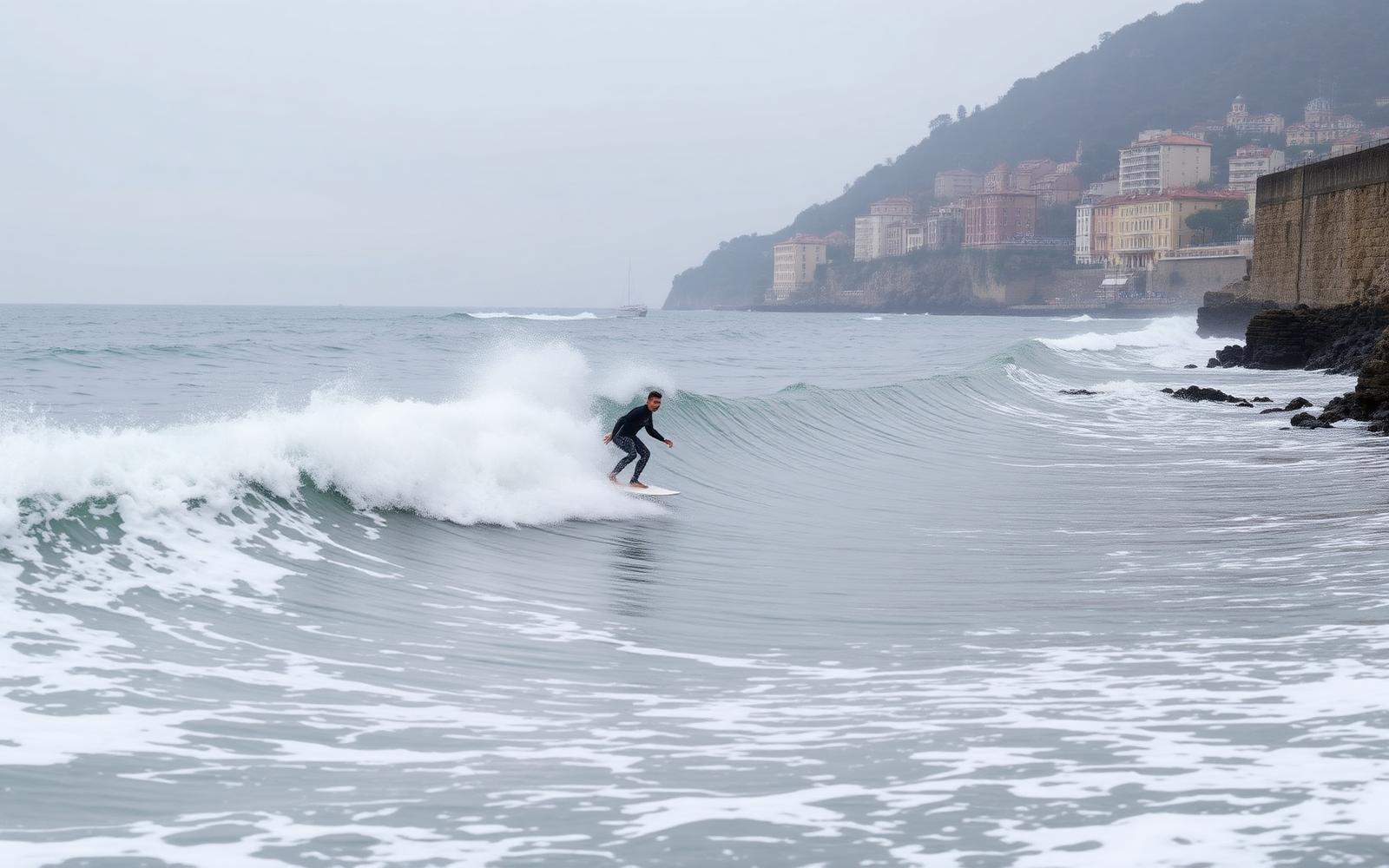
Varazze is the closest thing Liguria has to a world-class wave. When a strong libeccio swell wraps into the bay, a long, fast right-hander peels off the reef at Il Ponte, throwing sections that regularly draw the best surfers in northern Italy. It is a serious wave: shallow, crowded, and unforgiving of mistakes on the take-off. On smaller days the nearby beach and rivermouth banks offer a far friendlier alternative.
- Best months
- Oct – Mar
- Consistency
- 3/5
- Crowd
- Often crowded
IntermediateRecco
Tucked into the Golfo Paradiso east of Genoa, Recco is a short, steep pebble break that comes alive only on bigger south-west swells that push past Portofino. When it works the wave is quick and hollow, breaking close to shore beside the harbour wall, and the session usually lasts as long as the swell peak — a few hours rather than a few days. It is a local wave, best surfed with a bit of patience and a good forecast.
- Best months
- Nov – Mar
- Consistency
- 2/5
- Crowd
- Moderate crowd
 Advanced
Capo Mannu
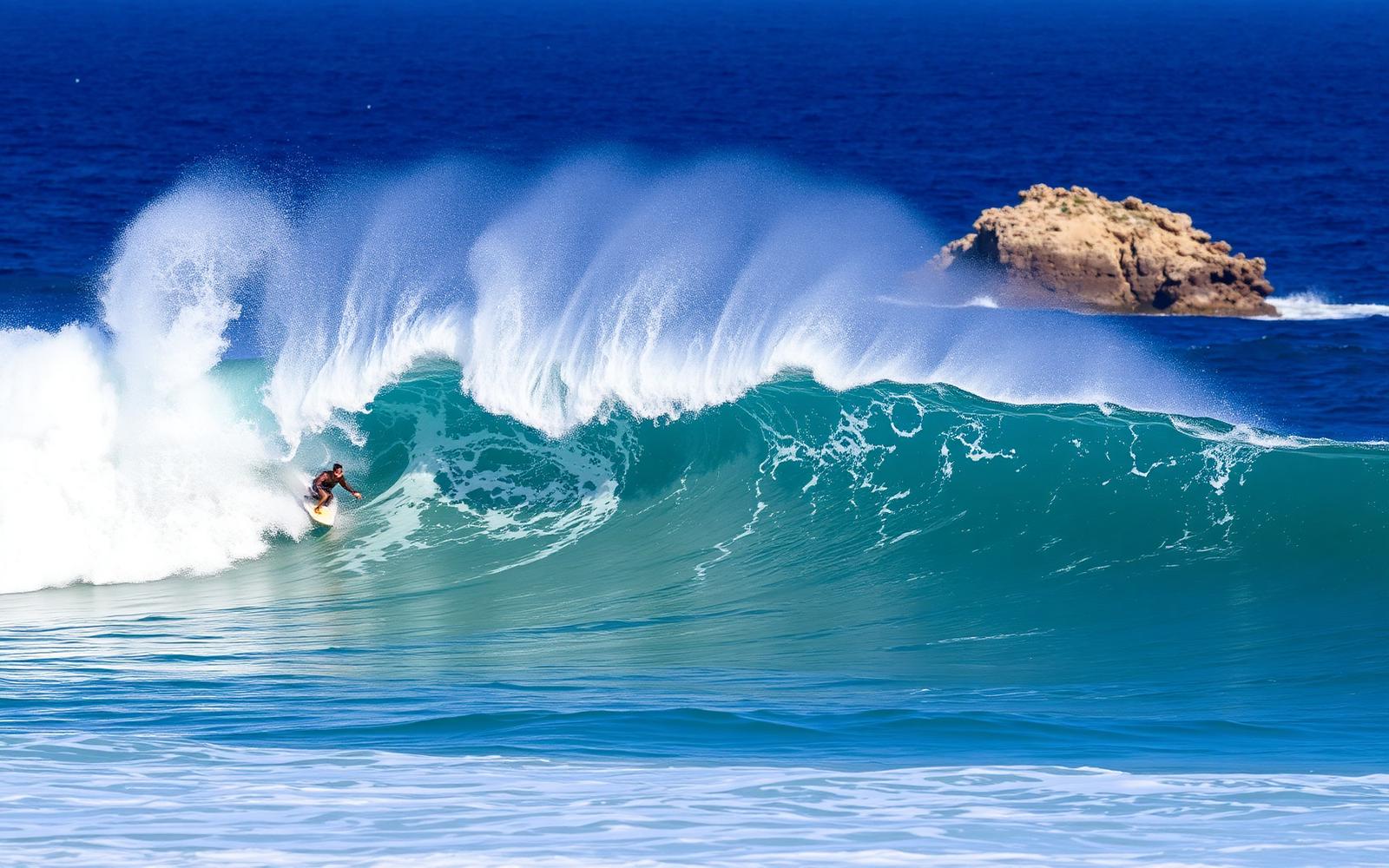
Capo Mannu is the most famous wave in the Mediterranean and the reason Sardinia appears on international surf maps. The exposed headland on the Sinis peninsula catches every north-west mistral swell and turns it into a long, hollow right-hander over reef, with an outside peak that can hold well overhead. It is powerful, shallow and genuinely world-class on its day — a wave for confident, experienced surfers only.
- Best months
- Oct – Apr
- Consistency
- 4/5
- Crowd
- Moderate crowd
Keep reading
Surfing in Italy: the complete guide
Where the waves are, when they arrive and how to plan a trip around a Mediterranean swell window.
9 min read
Best time to surf in Italy: a month-by-month calendar
What each month actually delivers — swell frequency, water temperature, crowds and which coast to bet on.
7 min read
Surfing in Italy for beginners
The most forgiving beaches, what to expect from your first Mediterranean sessions, and the mistakes worth skipping.
7 min read