Surfing in Italy: the complete guide
Where the waves are, when they arrive and how to plan a trip around a Mediterranean swell window.
9 min readUpdated 3 August 2026
Yes, Italy has waves
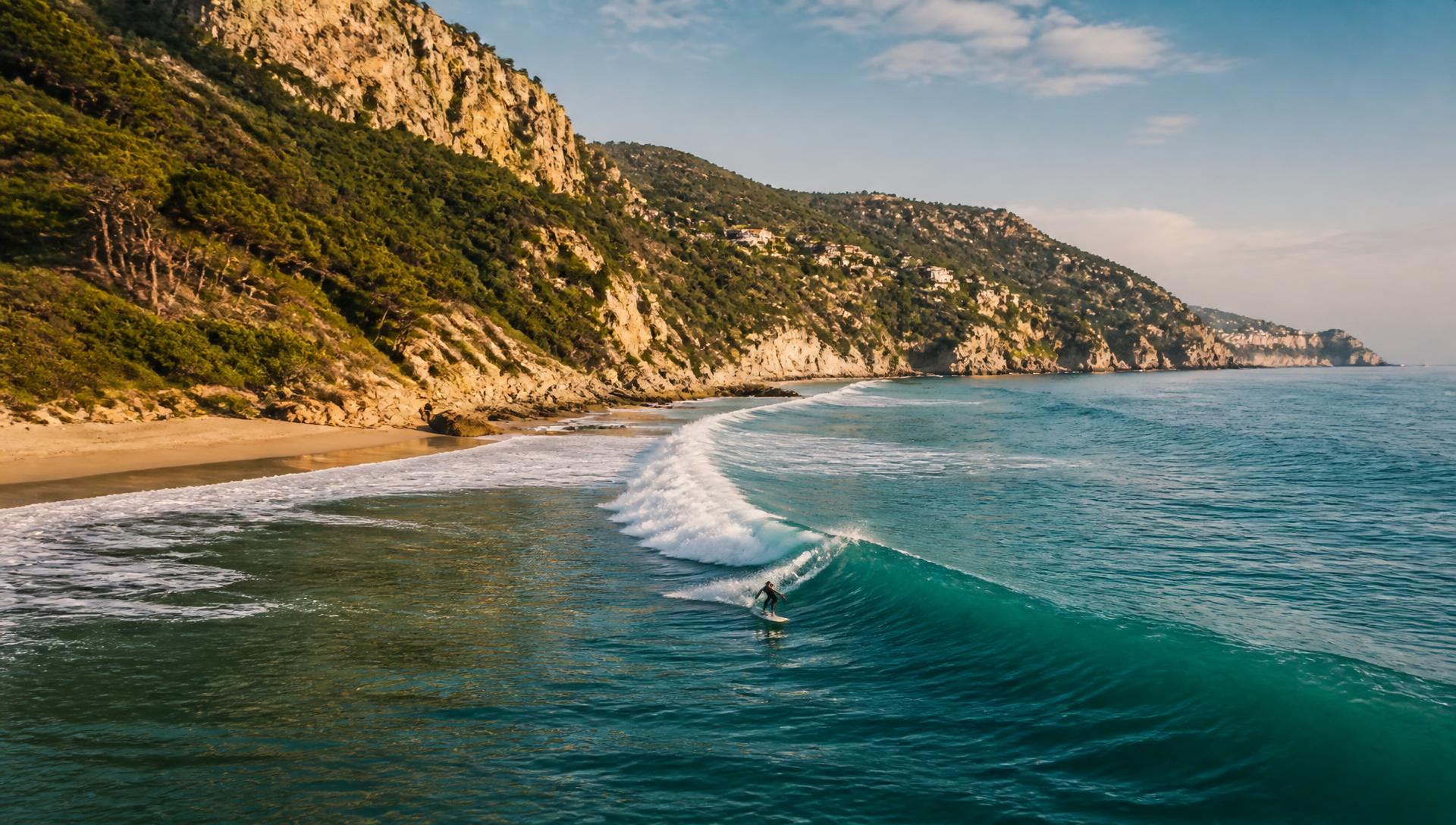
Italy is not a swell magnet, and anyone who tells you otherwise is selling something. What Italy has is a long, varied coastline sitting inside a small, shallow sea that turns wind into rideable waves within hours. When a low pressure parks over the western Mediterranean, Sardinia, Tuscany, Liguria and western Sicily all light up — often on the same day, in very different shapes.
How Mediterranean swell works
Atlantic surf is groundswell: storms thousands of kilometres away send long-period lines that arrive clean and organised. The Mediterranean almost never gets that. Instead you get windswell — waves generated by local storms, with short periods, a short life and a fast decay.
The practical consequences matter more than the physics:
- Swells last hours, not days. A Mediterranean pulse often peaks and dies inside 24 to 36 hours.
- You watch forecasts, not calendars. Booking a week in advance is a gamble; booking 48 hours in advance is a strategy.
- Wind is everything. The same wind that builds the swell will ruin it if the coast faces the wrong way. Spots that sit in the lee of a headland are the ones that work.
The four winds worth knowing
Mistral (maestrale) — cold northwest wind out of the Rhone valley. It is the engine of west-coast Sardinia and the single most reliable wave-maker in Italy.
Libeccio — southwest wind that hits Liguria, Tuscany and the Tyrrhenian coast. Fast, messy and generous.
Scirocco — warm southeast wind from Africa. Delivers swell to southern Sicily and the Adriatic, usually with humidity and haze.
Tramontana — northerly, cold and offshore for many Tyrrhenian beaches. Rarely builds swell, often grooms it.
Where to go
Sardinia is the best surf destination in Italy, full stop. The Sinis peninsula around Capo Mannu picks up mistral swell before anywhere else and holds size that the mainland simply cannot.
Tuscany is the most consistent mainland option, with long sandy beaches from Viareggio to Forte dei Marmi that work on modest libeccio and are forgiving for beginners.
Liguria offers the most dramatic setting — Levanto and Varazze deliver proper waves when the southwest lines up, framed by cliffs and pastel villages.
Sicily has the warmest water and the longest season, with Mondello and the north coast working on tramontana and the south picking up scirocco.
Lazio is the convenience play: Ostia and Santa Marinella are within an hour of Rome, which makes them crowded but useful.
When to go
Roughly October to April. Autumn is the sweet spot: the sea is still warm, the storm track has woken up and the beaches are empty. Winter brings the biggest swells and the coldest water. Spring is a slow decline. Summer is for longboarding on knee-high days and swimming.
Practical planning
Rent a car. Almost every good Italian break requires driving to it, and the ability to move 200km when the forecast shifts is the difference between a surf trip and a beach holiday. Bring a 3/2 wetsuit for autumn and spring, a 4/3 with boots for winter in the north. Carry a spare leash — surf shops are sparse outside the main towns.
Above all, plan the trip around a region, not a spot. Book somewhere with three or four options within an hour, then let the forecast decide where you paddle out.
Spots covered in this guide
 Intermediate
Levanto
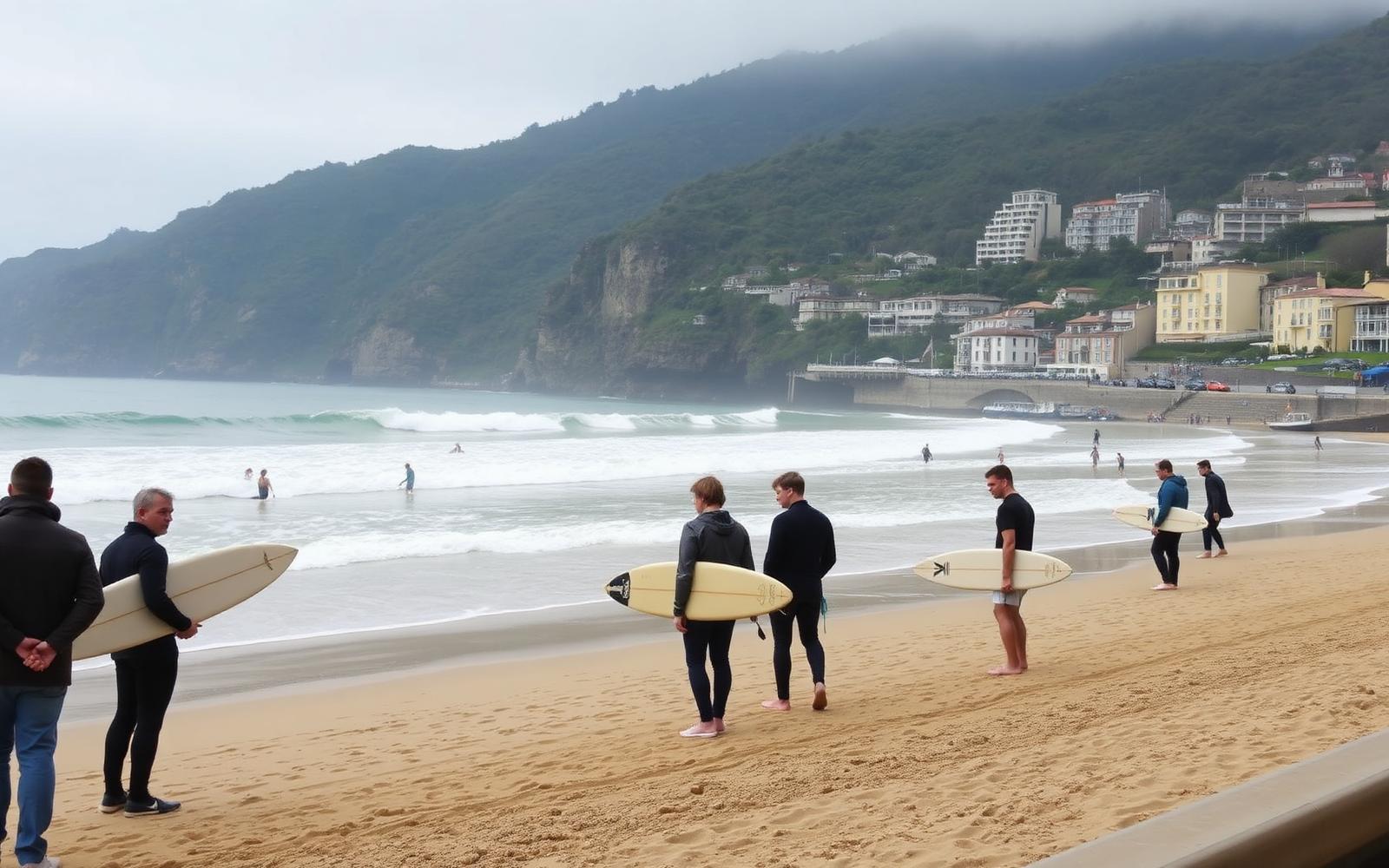
Levanto is the best-known wave in Liguria and the traditional gateway to Italian surfing. The wide bay at the northern edge of the Cinque Terre catches south-west libeccio swell and organises it into rideable left and right peaks along the sand, with the cleanest banks usually found towards the northern end near the breakwater. On a mid-sized swell with north-east wind the wave is punchy but manageable — hollow enough to be fun, forgiving enough to progress on.
- Best months
- Oct – Apr
- Consistency
- 3/5
- Crowd
- Often crowded
 Advanced
Varazze
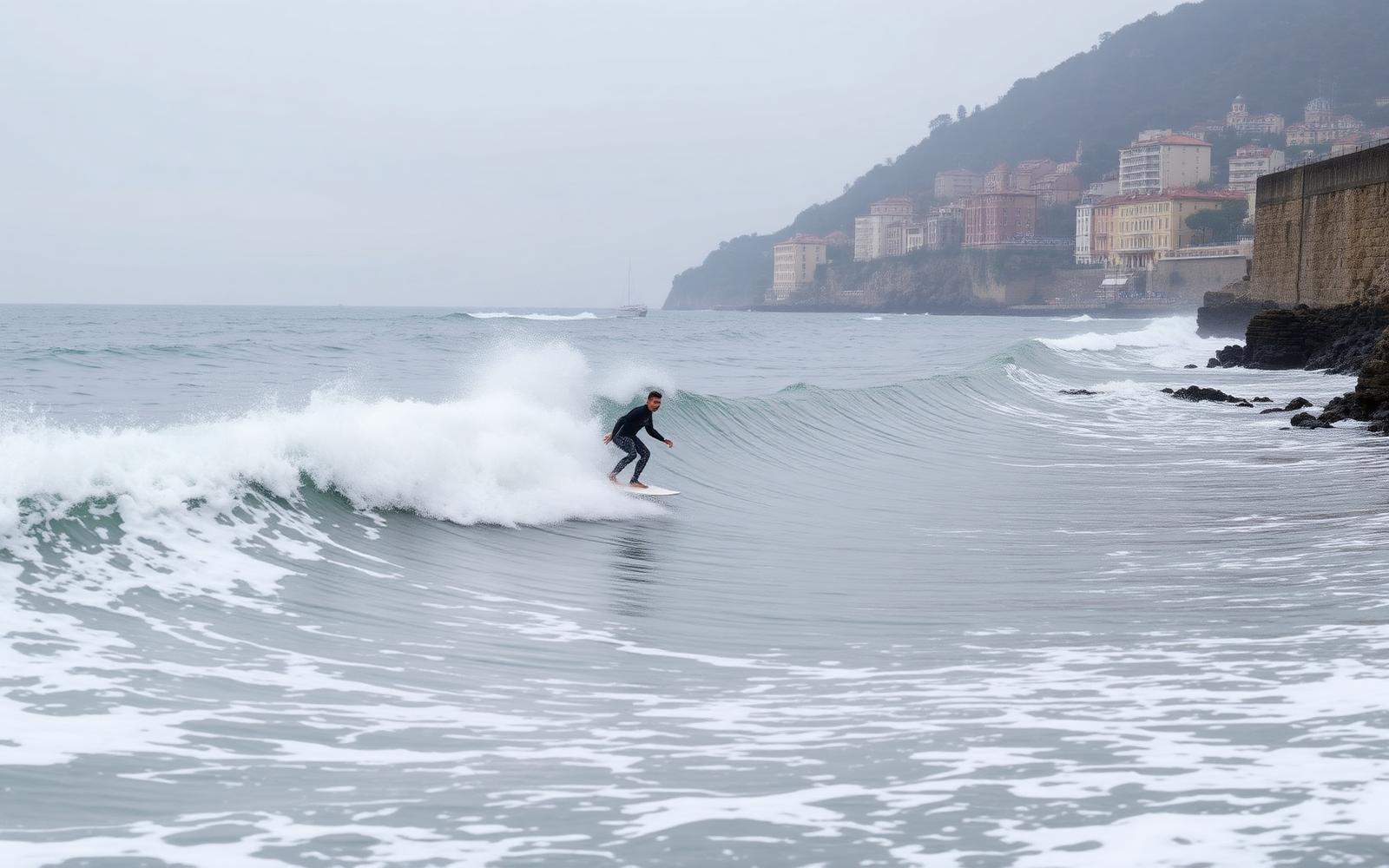
Varazze is the closest thing Liguria has to a world-class wave. When a strong libeccio swell wraps into the bay, a long, fast right-hander peels off the reef at Il Ponte, throwing sections that regularly draw the best surfers in northern Italy. It is a serious wave: shallow, crowded, and unforgiving of mistakes on the take-off. On smaller days the nearby beach and rivermouth banks offer a far friendlier alternative.
- Best months
- Oct – Mar
- Consistency
- 3/5
- Crowd
- Often crowded
 Beginner
Forte dei Marmi
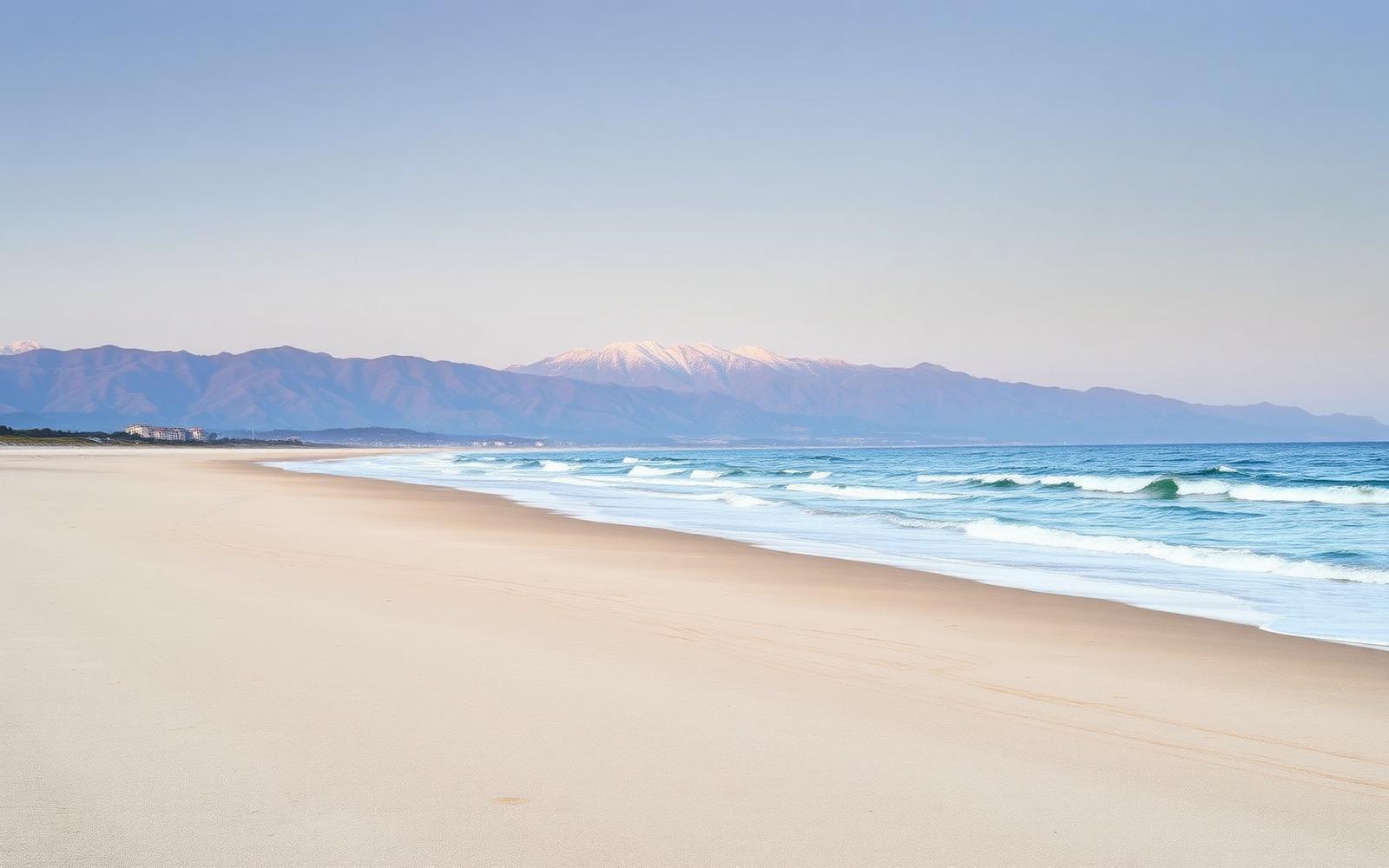
Forte dei Marmi offers some of the softest, most approachable waves on the Tuscan coast. The sandbanks either side of the historic pier shape libeccio swell into slow, rolling peaks that break a long way from shore on bigger days and reform gently inside — ideal for first waves, longboards and family sessions. Behind the beach sit the Apuan Alps, often snow-capped in winter, which makes this one of the most photogenic line-ups in Italy.
- Best months
- Oct – Apr
- Consistency
- 3/5
- Crowd
- Moderate crowd
 Advanced
Capo Mannu
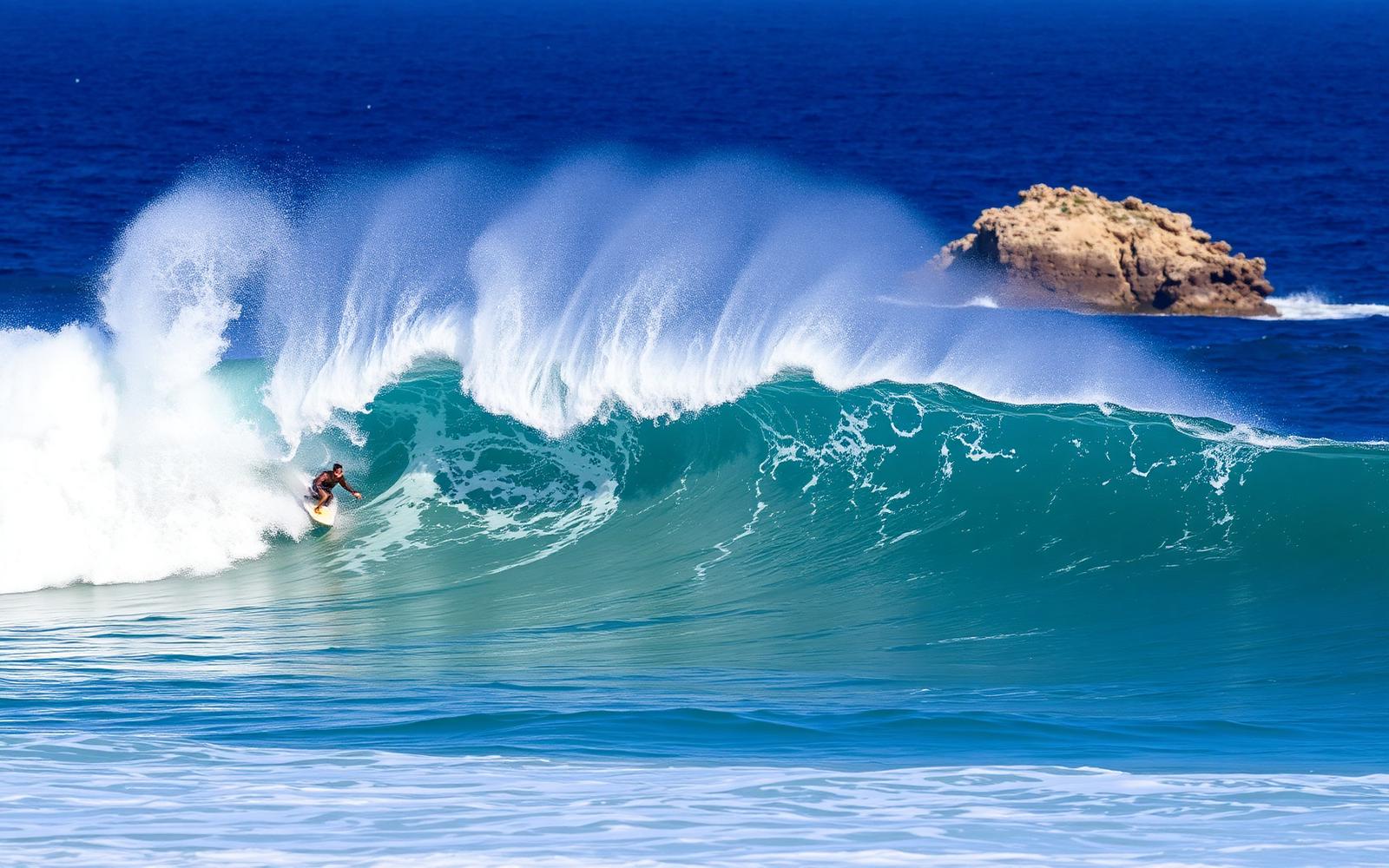
Capo Mannu is the most famous wave in the Mediterranean and the reason Sardinia appears on international surf maps. The exposed headland on the Sinis peninsula catches every north-west mistral swell and turns it into a long, hollow right-hander over reef, with an outside peak that can hold well overhead. It is powerful, shallow and genuinely world-class on its day — a wave for confident, experienced surfers only.
- Best months
- Oct – Apr
- Consistency
- 4/5
- Crowd
- Moderate crowd
 Beginner
Mondello
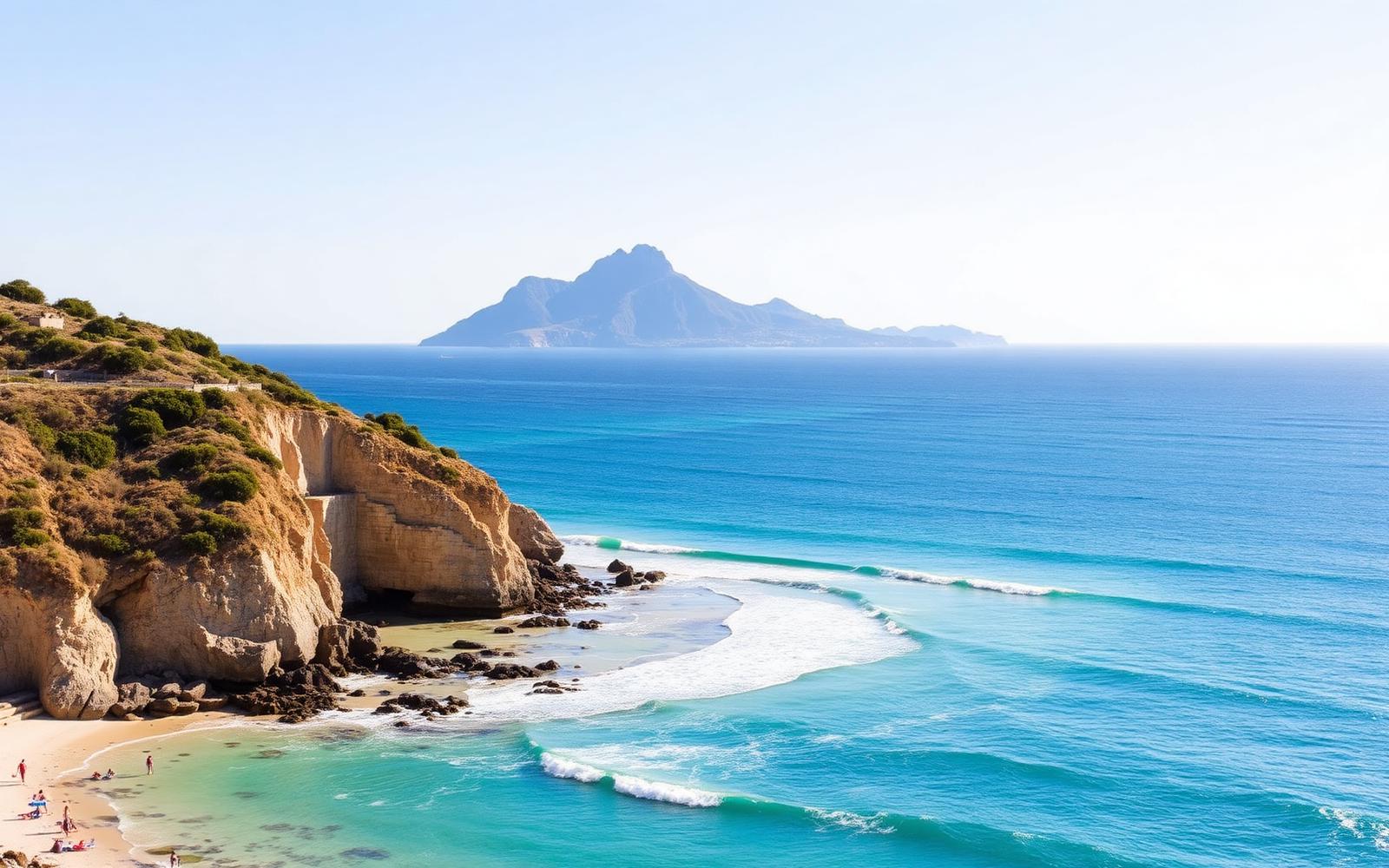
Mondello's famous crescent bay, framed by Monte Pellegrino and Monte Gallo, only picks up surf on strong northerly winter swells. What arrives is small and gentle — perfect for learners, longboards and anyone happy to trade size for turquoise water and a spectacular setting. Palermo's surf schools run most of their lessons here.
- Best months
- Nov – Mar
- Consistency
- 2/5
- Crowd
- Often crowded
 Beginner
Ostia
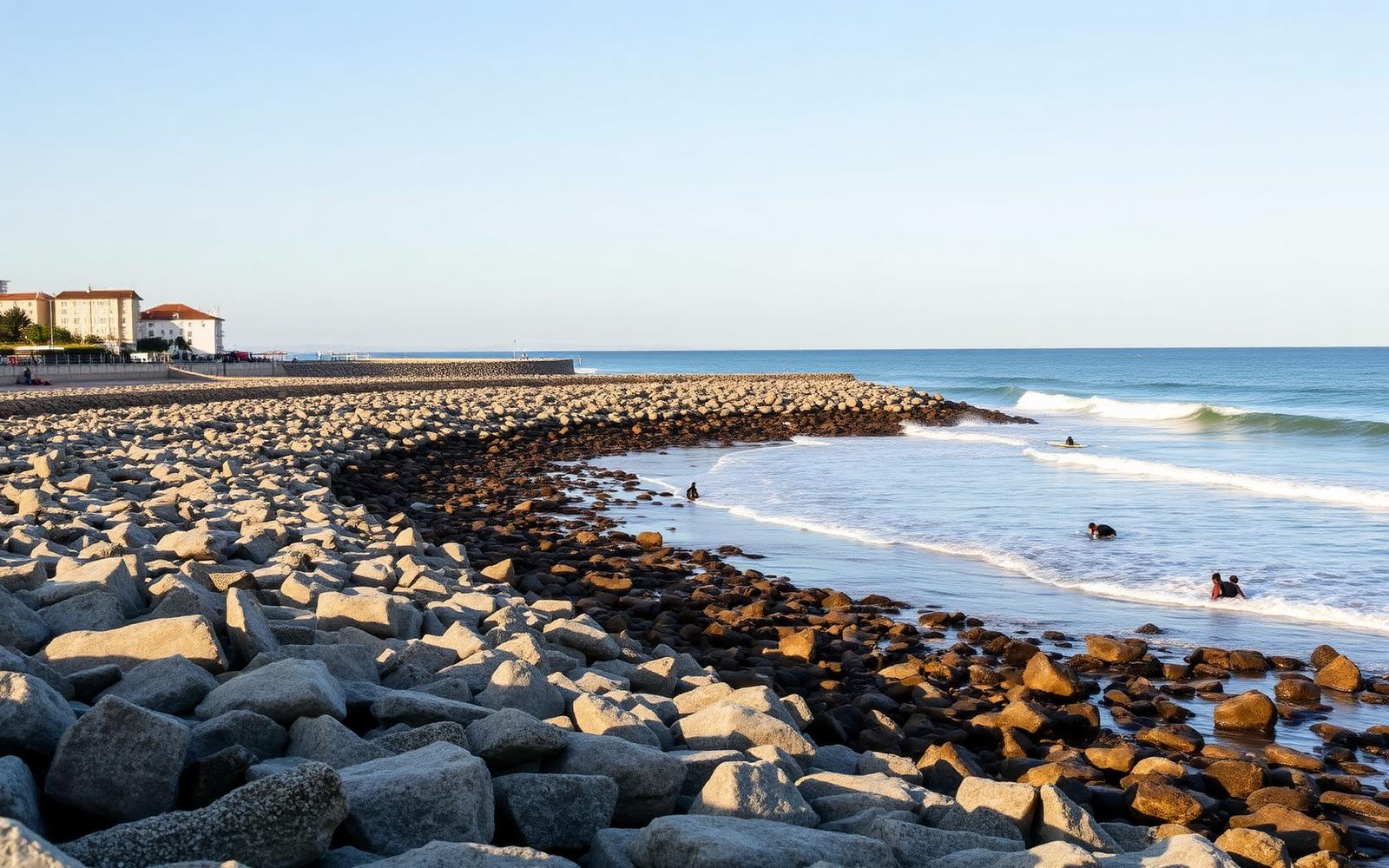
Ostia is Rome's home break, reachable in half an hour by train from Piramide station. Rock groynes trap sand and create defined peaks along the beach, giving small to medium waves with enough shape to progress on. The scene is lively and social, and on any decent winter swell the entire Roman surf community turns up at once — go early or pick a quieter groyne.
- Best months
- Oct – Apr
- Consistency
- 3/5
- Crowd
- Often crowded
Keep reading
Best time to surf in Italy: a month-by-month calendar
What each month actually delivers — swell frequency, water temperature, crowds and which coast to bet on.
7 min read
Surfing in Italy for beginners
The most forgiving beaches, what to expect from your first Mediterranean sessions, and the mistakes worth skipping.
7 min read
Sardinia surf guide: Italy's wave engine
Why the west coast works, how to move around the island with the mistral, and which breaks reward the drive.
8 min read