Surfing in Italy for beginners
The most forgiving beaches, what to expect from your first Mediterranean sessions, and the mistakes worth skipping.
7 min readUpdated 3 August 2026
Italy is a good place to learn
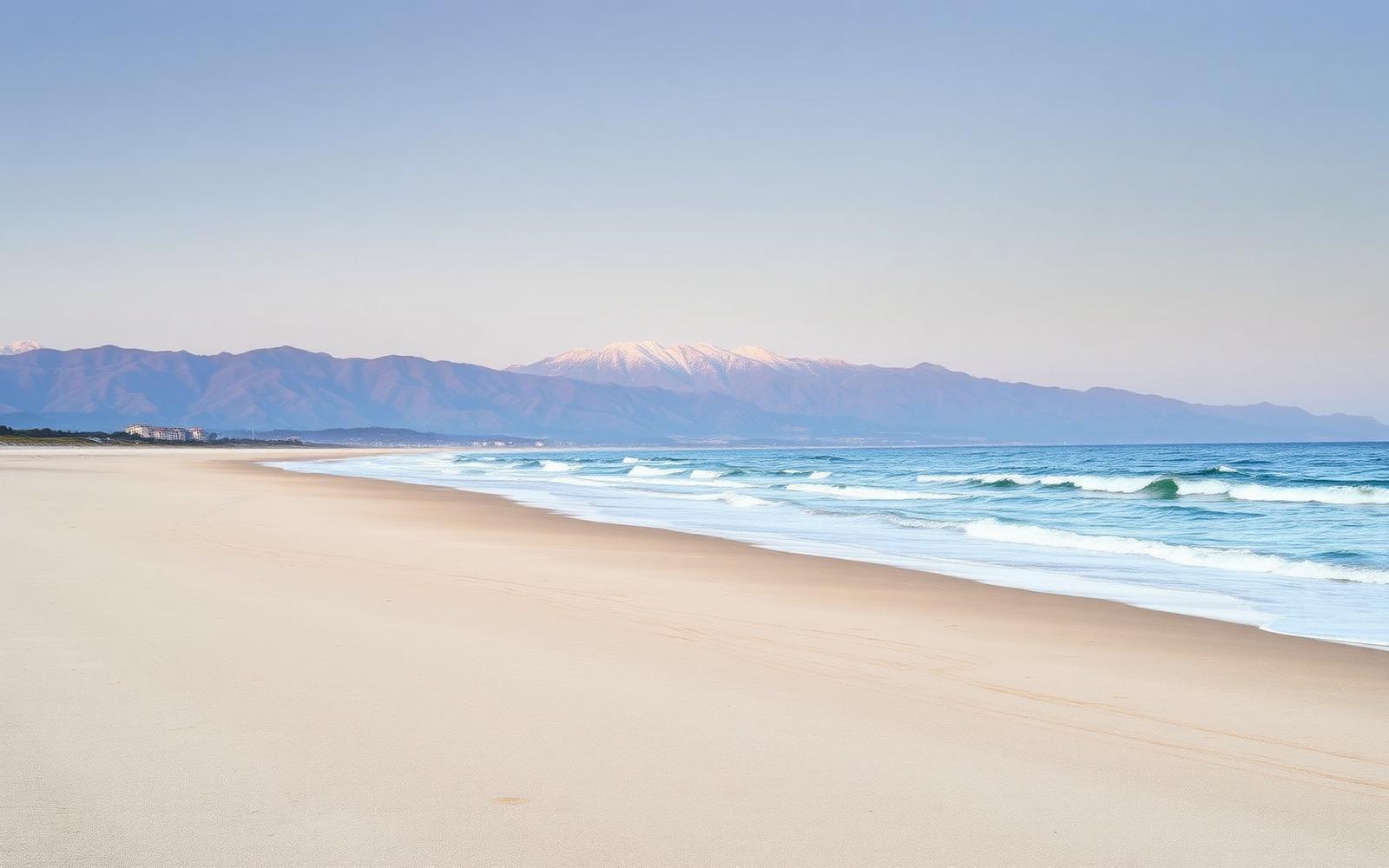
Short-period Mediterranean waves are small, frequent and close to shore. That is frustrating for advanced surfers and close to ideal for beginners: you get many waves per session, in waist-deep water, on sand.
What makes a beach beginner-friendly
- Sand bottom, no reef. Falling should be boring.
- Gentle gradient. Waves that crumble rather than throw.
- Easy paddle-out. No rips you need local knowledge to read.
- Space. A wide beach spreads the crowd; a short point concentrates it.
The best beaches to start
Viareggio, Tuscany — kilometres of sand, a long shallow shelf and more surf schools than anywhere else in Italy. The default answer.
Forte dei Marmi, Tuscany — the same coastline slightly further north, quieter outside summer.
Ostia, Lazio — Rome adjacent, well served by schools, and busy for exactly that reason. Fine for a first lesson, less fun on a good day.
Poetto, Sardinia — a long, calm city beach in Cagliari that turns on gently with southeast wind.
Mondello, Sicily — warm water, small waves, and a bay that rarely gets dangerous.
Your first three sessions
Book a lesson. Not because surfing cannot be self-taught, but because an instructor puts you in the right part of the beach on the right day, which is 80% of early progress.
Use a soft-top over 8 feet. Volume is your friend. A short board is a slower way to learn, not a faster one.
Stay in whitewater. Do not paddle for the outside until you can consistently stand, trim and turn off the wave in reformed foam.
Realistic expectations
Some weekends there will be nothing to surf. That is normal here. A beginner who accepts flat days and checks the forecast will progress faster than one who drives to the beach every Saturday regardless.
Safety basics
Learn to identify a rip: a channel of darker, calmer water moving out through the breaking waves. If you are caught in one, paddle parallel to shore, never against it. Keep a board length between you and everyone else, and never let go of your board when someone is behind you.
Where to go next
Once you are riding green waves comfortably, move up the same coast rather than jumping to a reef. Levanto and Varazze in Liguria are the natural second step: still forgiving, but with shape worth learning to read.
Spots covered in this guide
BeginnerForte dei Marmi
Forte dei Marmi offers some of the softest, most approachable waves on the Tuscan coast. The sandbanks either side of the historic pier shape libeccio swell into slow, rolling peaks that break a long way from shore on bigger days and reform gently inside — ideal for first waves, longboards and family sessions. Behind the beach sit the Apuan Alps, often snow-capped in winter, which makes this one of the most photogenic line-ups in Italy.
- Best months
- Oct – Apr
- Consistency
- 3/5
- Crowd
- Moderate crowd
BeginnerViareggio
Viareggio is the busiest surf town in Tuscany and the centre of the region's surf culture, with shops, schools and a line-up that fills within an hour of any forecast. The beach runs for kilometres, so peaks shift with the sandbanks and there is almost always space to find your own. Waves are typically waist to chest high and user-friendly, occasionally doubling in size on a big winter libeccio.
- Best months
- Oct – Apr
- Consistency
- 3/5
- Crowd
- Often crowded
 Beginner
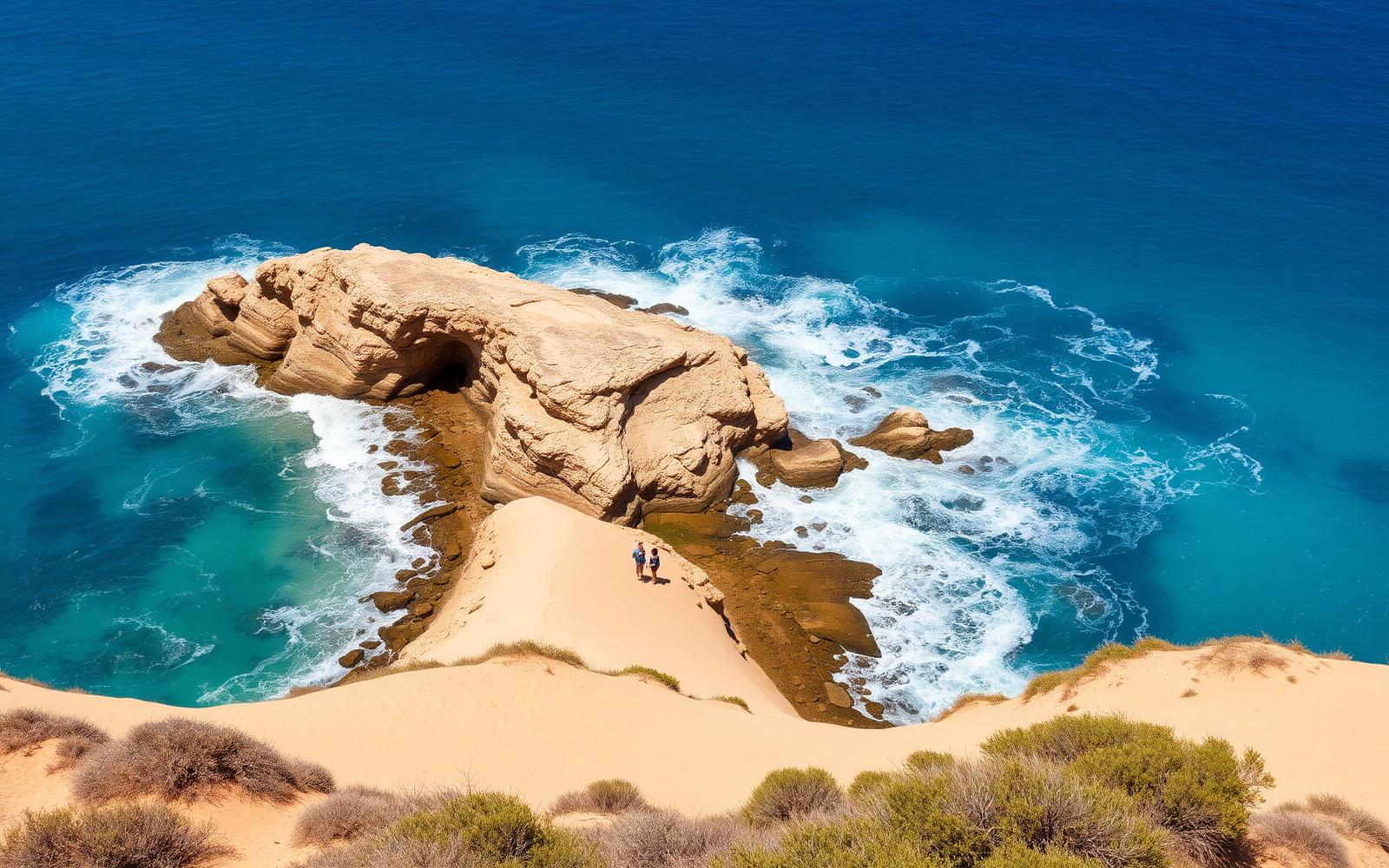
Poetto
Poetto is Cagliari's eight-kilometre city beach and the place southern Sardinians learn to surf. It needs a south-easterly scirocco to break, and the resulting waves are small, choppy and short-period — but they are close, warm, safe and easy to reach on a bus from the old town. Treat it as a fun, low-stakes session rather than a destination wave.
- Best months
- Nov – Mar
- Consistency
- 2/5
- Crowd
- Moderate crowd
 Beginner
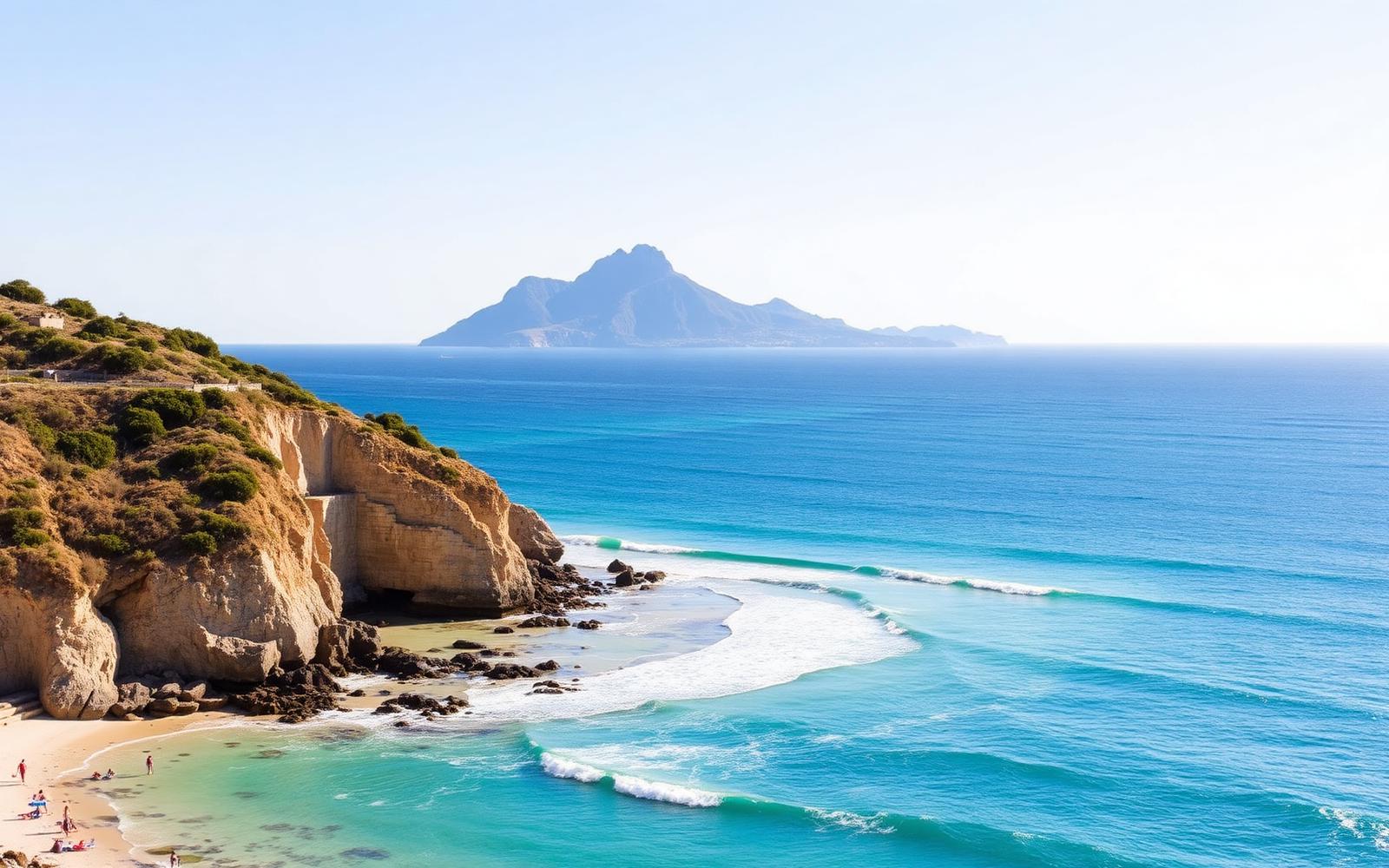
Mondello
Mondello's famous crescent bay, framed by Monte Pellegrino and Monte Gallo, only picks up surf on strong northerly winter swells. What arrives is small and gentle — perfect for learners, longboards and anyone happy to trade size for turquoise water and a spectacular setting. Palermo's surf schools run most of their lessons here.
- Best months
- Nov – Mar
- Consistency
- 2/5
- Crowd
- Often crowded
 Beginner
Ostia
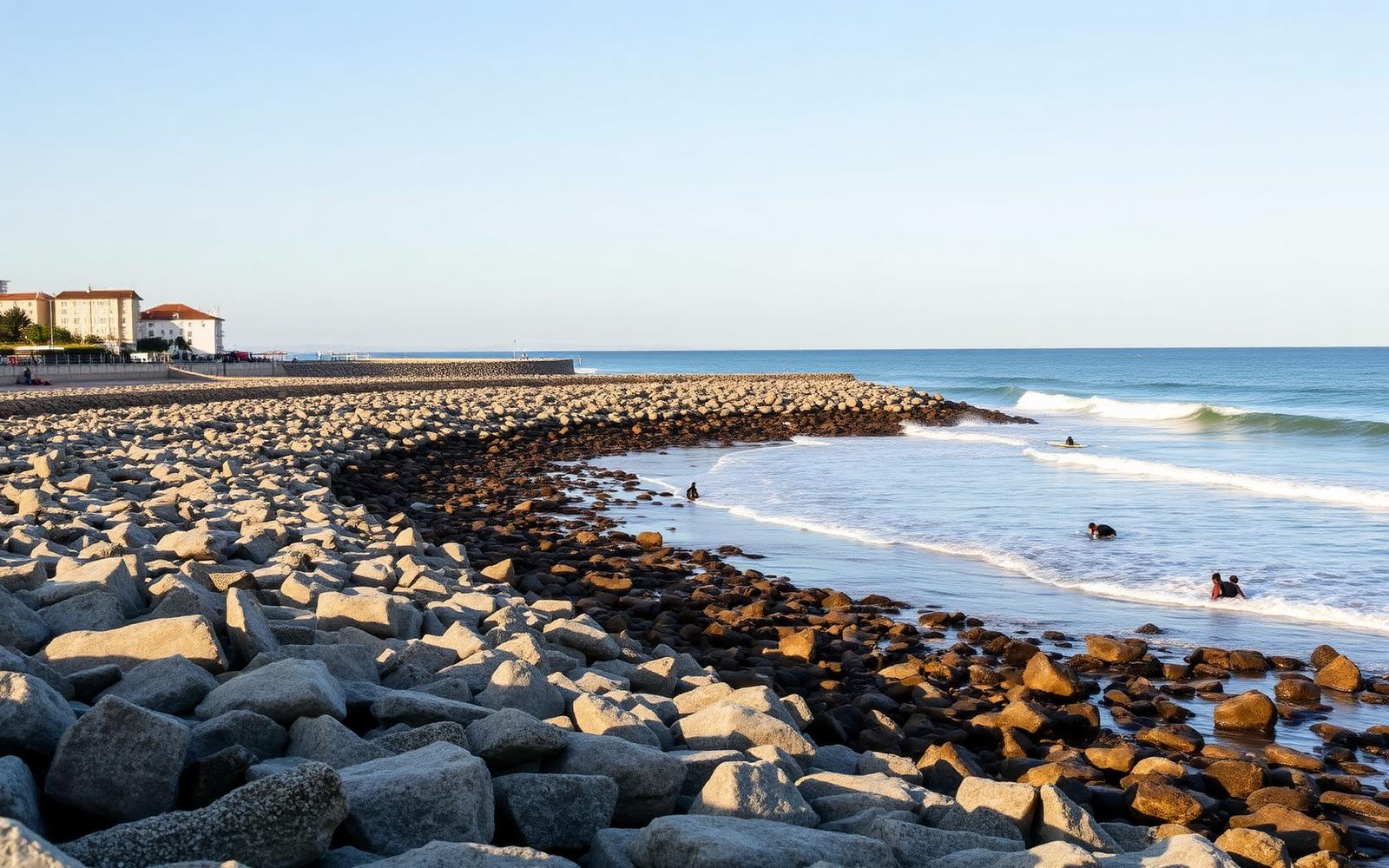
Ostia is Rome's home break, reachable in half an hour by train from Piramide station. Rock groynes trap sand and create defined peaks along the beach, giving small to medium waves with enough shape to progress on. The scene is lively and social, and on any decent winter swell the entire Roman surf community turns up at once — go early or pick a quieter groyne.
- Best months
- Oct – Apr
- Consistency
- 3/5
- Crowd
- Often crowded
Keep reading
Surfing in Italy: the complete guide
Where the waves are, when they arrive and how to plan a trip around a Mediterranean swell window.
9 min read
Best time to surf in Italy: a month-by-month calendar
What each month actually delivers — swell frequency, water temperature, crowds and which coast to bet on.
7 min read
Sardinia surf guide: Italy's wave engine
Why the west coast works, how to move around the island with the mistral, and which breaks reward the drive.
8 min read