Wetsuit guide for the Mediterranean
What thickness to wear, month by month and coast by coast — and why Italian winter water is colder than you expect.
5 min readUpdated 3 August 2026
The mistake visitors make
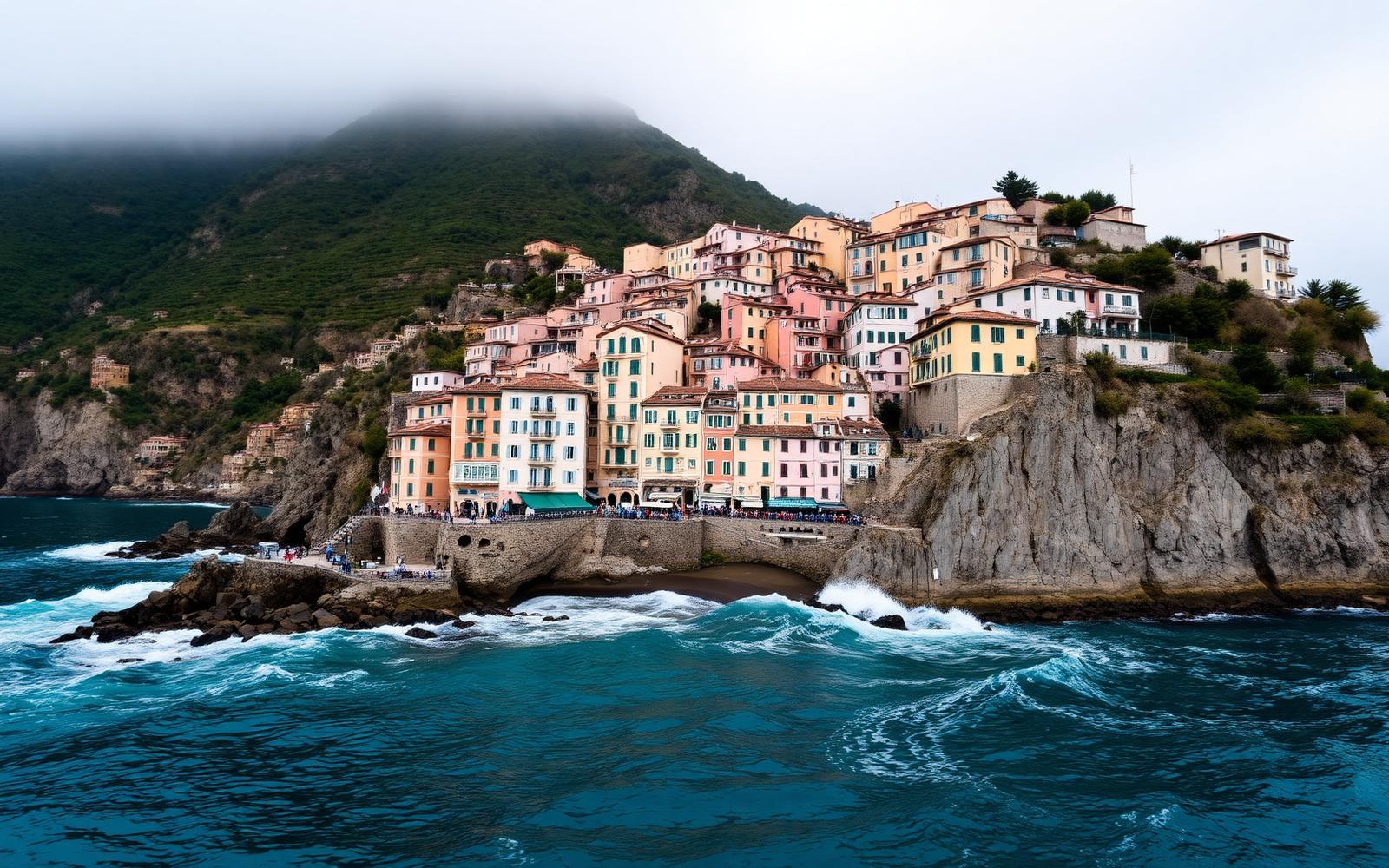
People hear "Mediterranean" and pack a shorty. In January, water off Liguria sits around 13°C — colder than Biarritz, colder than Cornwall in the same week. The sea here is small and it loses heat fast.
Thickness by season
September – October — 20 to 24°C. A 2mm shorty in September, a 3/2 full suit by mid-October.
November – December — 16 to 19°C. A 3/2 with a hood on windy days, or a 4/3 if you feel the cold.
January – March — 13 to 16°C. A 4/3 with 3mm boots. In the north, add gloves and a hood in February and March.
April – May — 14 to 18°C. Start in a 4/3, finish in a 3/2.
June – August — 24 to 28°C. Boardshorts, or a 2mm top if you burn.
North versus south
Sicily and southern Sardinia run 2 to 3°C warmer than Liguria and Tuscany year-round, and the gap widens in winter. A 3/2 that is marginal in Levanto in January is comfortable in Mondello.
Thermal lag
The coldest water of the year is not in December — it is late February and early March, weeks after the coldest air. Plan your spring trip suit accordingly: March water is winter water.
Boots, gloves, hoods
Boots matter more than most people expect, and not only for warmth. Many Italian breaks are entered over rock or cobble: Levanto, Varazze and most of the Ligurian coast are far more pleasant in 3mm split-toes.
Gloves are optional except in the northern Adriatic and the Ligurian winter. A hood buys more warmth per euro than any other piece of neoprene.
Buying advice
Buy the suit that fits, not the brand. A cheap suit that seals at the neck and wrists beats an expensive one a size too big. If you surf Italy year-round, two suits — a 3/2 and a 4/3 — cover everything, and the 3/2 will wear out first.
Care
Rinse in fresh water after every session, dry inside out in the shade, never in direct sun, and never in a washing machine. Neoprene dies from UV and folding, not from surfing.
Spots covered in this guide
 Intermediate
Levanto
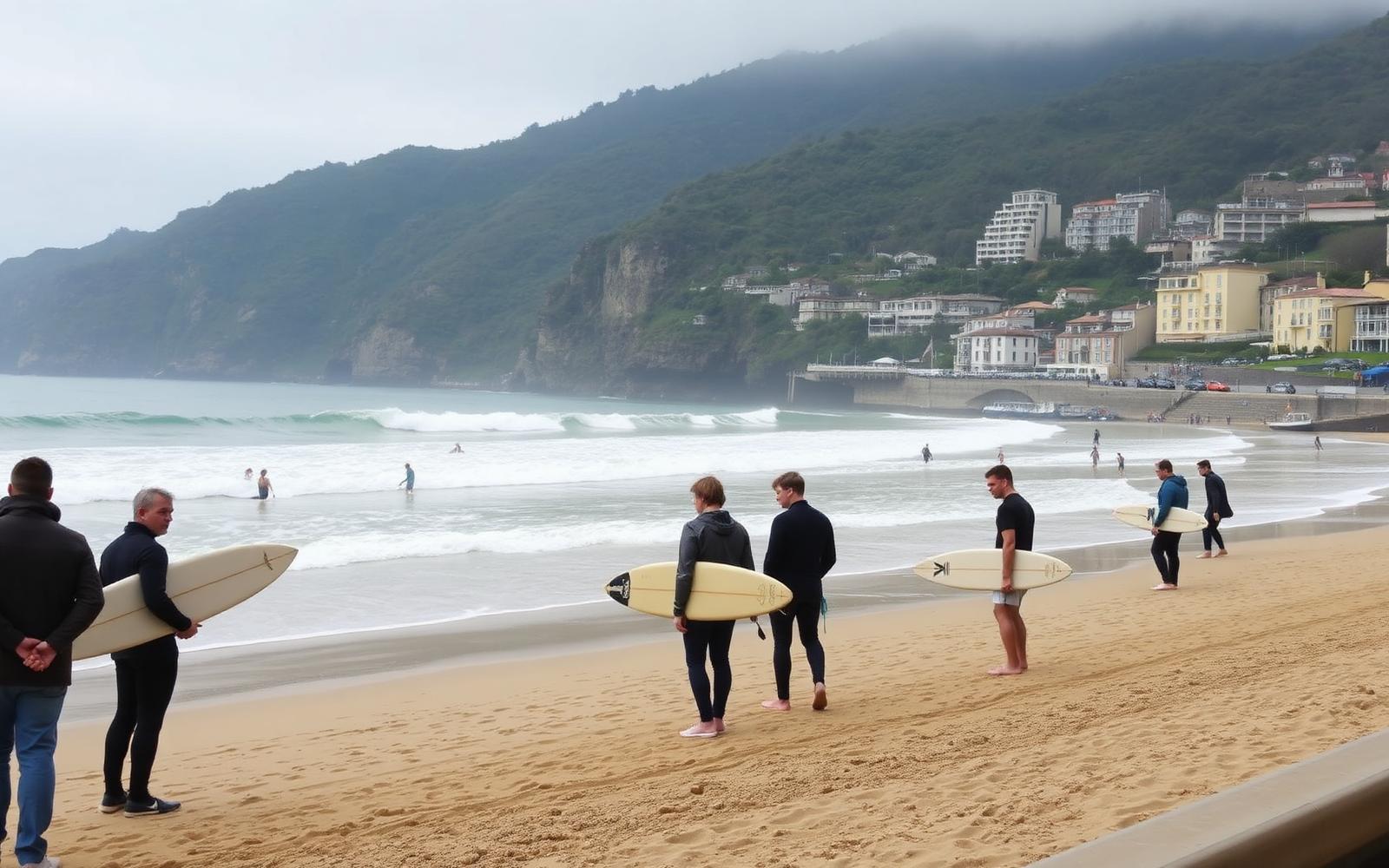
Levanto is the best-known wave in Liguria and the traditional gateway to Italian surfing. The wide bay at the northern edge of the Cinque Terre catches south-west libeccio swell and organises it into rideable left and right peaks along the sand, with the cleanest banks usually found towards the northern end near the breakwater. On a mid-sized swell with north-east wind the wave is punchy but manageable — hollow enough to be fun, forgiving enough to progress on.
- Best months
- Oct – Apr
- Consistency
- 3/5
- Crowd
- Often crowded
 Advanced
Varazze
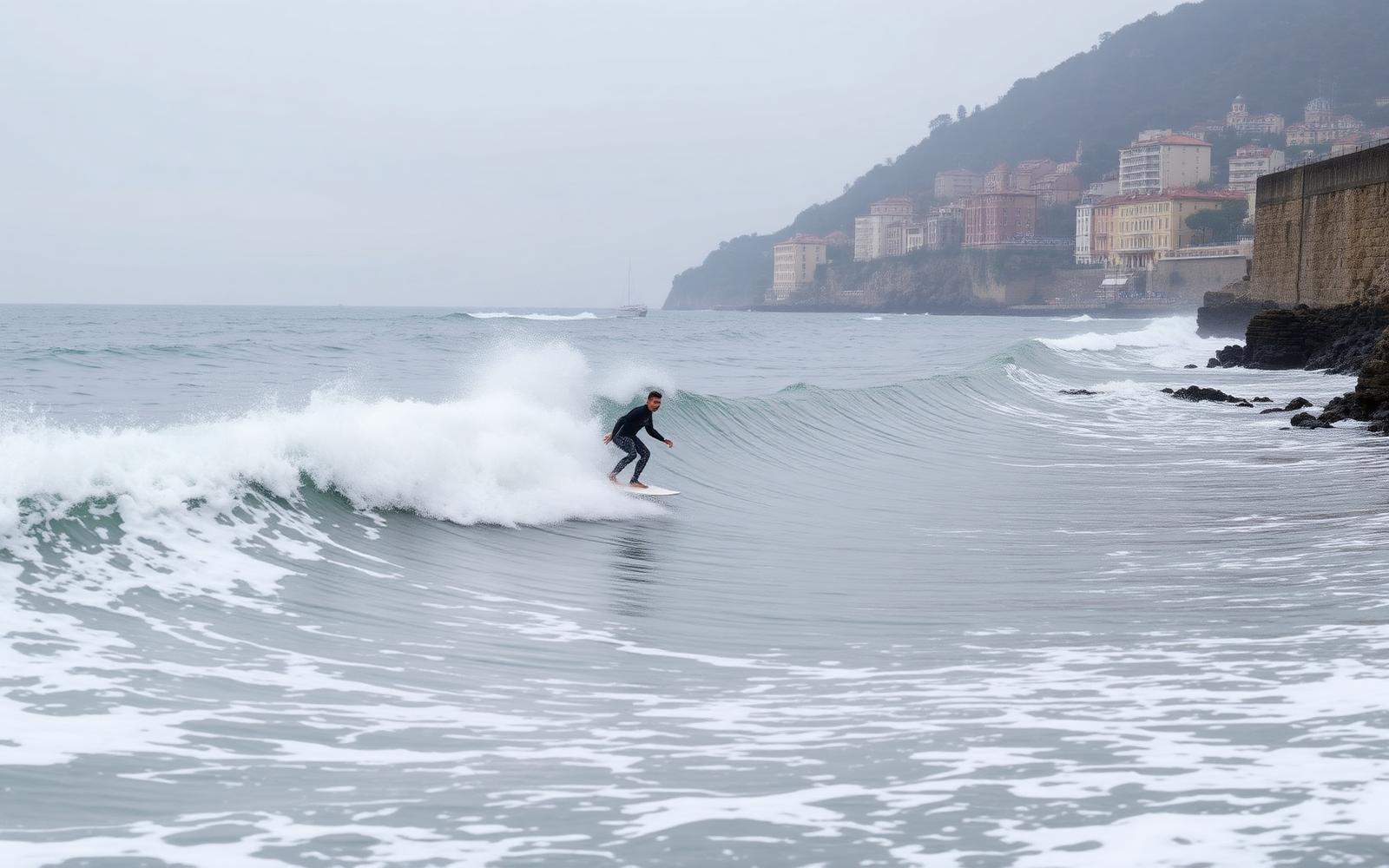
Varazze is the closest thing Liguria has to a world-class wave. When a strong libeccio swell wraps into the bay, a long, fast right-hander peels off the reef at Il Ponte, throwing sections that regularly draw the best surfers in northern Italy. It is a serious wave: shallow, crowded, and unforgiving of mistakes on the take-off. On smaller days the nearby beach and rivermouth banks offer a far friendlier alternative.
- Best months
- Oct – Mar
- Consistency
- 3/5
- Crowd
- Often crowded
 Beginner
Viareggio
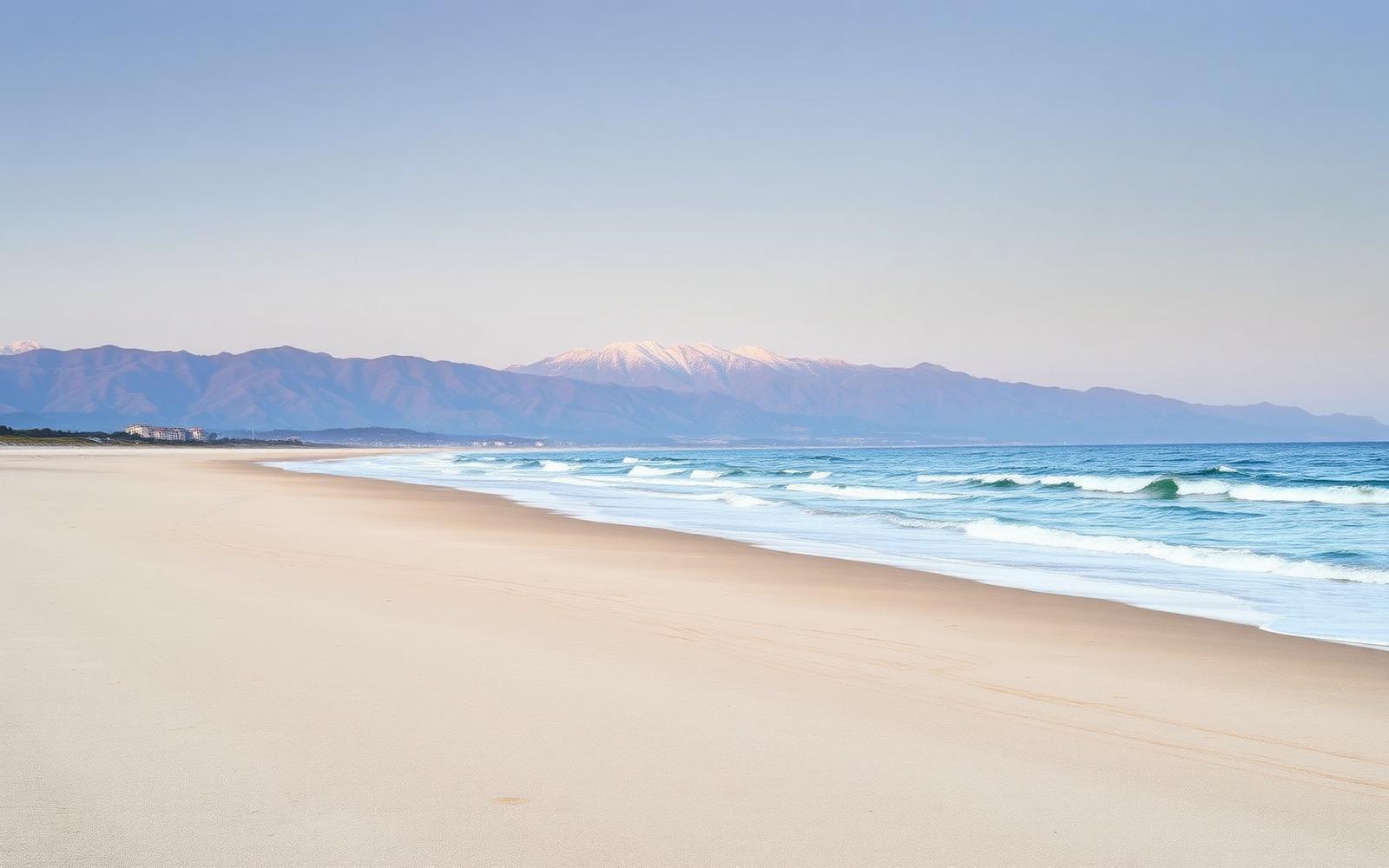
Viareggio is the busiest surf town in Tuscany and the centre of the region's surf culture, with shops, schools and a line-up that fills within an hour of any forecast. The beach runs for kilometres, so peaks shift with the sandbanks and there is almost always space to find your own. Waves are typically waist to chest high and user-friendly, occasionally doubling in size on a big winter libeccio.
- Best months
- Oct – Apr
- Consistency
- 3/5
- Crowd
- Often crowded
Keep reading
Surfing in Italy: the complete guide
Where the waves are, when they arrive and how to plan a trip around a Mediterranean swell window.
9 min read
Best time to surf in Italy: a month-by-month calendar
What each month actually delivers — swell frequency, water temperature, crowds and which coast to bet on.
7 min read
Surfing in Italy for beginners
The most forgiving beaches, what to expect from your first Mediterranean sessions, and the mistakes worth skipping.
7 min read